Energy performance is the ability to turn as much of the energy you consume as possible into useful energy. Whether you manage an apartment building, a condominium, a retail space or an institutional facility, small, well-targeted adjustments can add up to major savings. Here is a clear, practical guide for Quebec building managers: what the concept means, how to act on it and how to secure lasting results.
Understanding what energy performance means
Energy performance expresses the share of useful energy obtained relative to the total energy consumed. When a device, a system or a building performs well, little energy is wasted as losses: unwanted heat, air leaks or inefficient operating cycles. A modern condensing boiler that converts most of its fuel into usable heat, for example, performs far better than an older atmospheric model.
The idea is closely tied to energy efficiency, but it puts the emphasis on how well a given system converts energy. Efficiency takes the broader view of delivering the same function with less energy; performance looks at the quality of the conversion itself. The two approaches complement each other: improving one almost always produces a gain for the other, especially when you adopt a building-wide “envelope + systems + usage” view.
Understanding energy performance helps you set priorities. You first pinpoint the major sources of loss, then invest where each dollar generates the most savings. This approach fits naturally into a structured energy transition, one that aligns the work with clear goals for performance, comfort and cost reduction.
The benefits of better energy performance
- Lower operating costs, directly: less energy wasted means a lighter bill month after month.
- Greater comfort and steadier conditions: more uniform temperatures, better-controlled lighting and improved air quality.
- Higher building value: a high-performing asset attracts and retains tenants and occupants, and its resale value rises.
- Fewer breakdowns and better reliability: when systems run at their optimal point, wear and tear drops.
- A smaller carbon footprint: every kilowatt-hour saved avoids emissions, which makes climate targets easier to reach.
- Better return on renovation investments: priority work delivers visible, measurable gains.
The main factors that influence energy performance
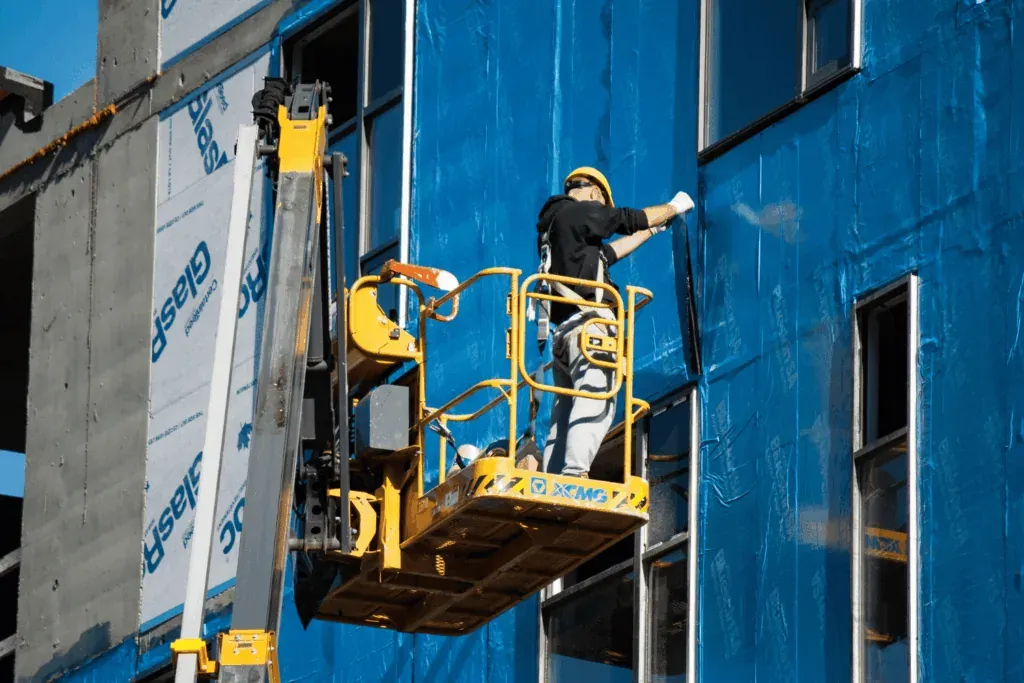
A building’s energy performance rests on a series of interacting factors. The building envelope is the first line of defence against losses: insulation, air tightness, windows and doors determine how much energy is needed to keep indoor conditions comfortable. A poorly insulated roof, worn weather seals or outdated glazing all add needless load to the heating and cooling systems.
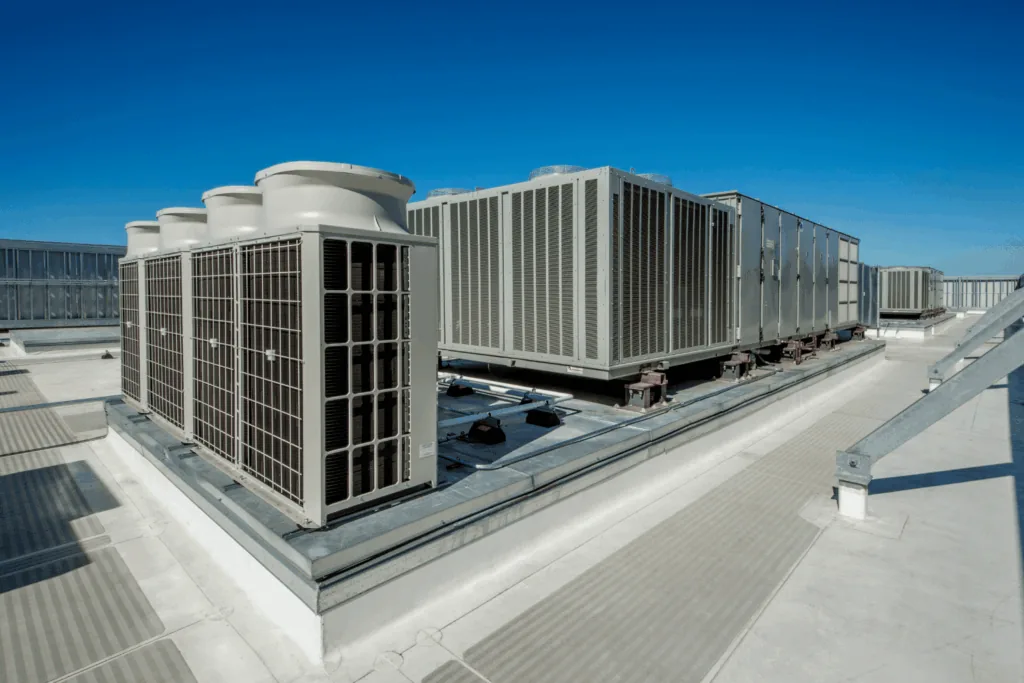
Mechanical and electrical systems then play a central role. Aging, poorly sized or poorly maintained equipment sees its performance decline steadily. A recent heat pump, a high-efficiency boiler, heat recovery ventilation or variable-speed motors can transform overall performance when they are selected and tuned to the building’s real needs.
Management and day-to-day usage also shape performance. Badly programmed occupancy schedules, overly ambitious setpoints or lighting left on in empty zones are classic sources of waste. Finally, regular maintenance and monitoring keep the gains in place: clean filters, calibrated sensors, adjusted flow rates and seasonal inspections hold performance at the expected level.
Practical strategies for improving energy performance
Working on the envelope is often the most durable way to reduce energy demand. Adding roof and wall insulation, improving air tightness and switching to high-performance windows all lower the capacity required from mechanical systems. On retrofit projects, tackling critical zones first proves effective.
Modernizing systems is usually the second major step. A high-efficiency heat pump, a condensing boiler, a fan with a variable-speed motor or a heat recovery unit can improve performance appreciably. In some settings, high-performance solutions such as geothermal energy can also cut energy demand significantly when they are well integrated with the other systems.
Smart management rests on the idea that you can only improve what you measure. Connected thermostats, a building management system (BMS) or an energy analytics platform help you track consumption in real time, detect drift and correct it quickly.
How to measure and track efficiency gains
Measurement is what makes results credible. Before any work begins, establish a clear baseline: twelve months of energy consumption, occupancy conditions, setpoints and the condition of the envelope. That reference lets you compare “apples to apples” once the work is done. Simple, robust indicators such as consumption per square metre, the coefficient of performance (COP) or seasonal overall efficiency then serve as benchmarks for steering performance.
For a closer look at measurement and calculation standards, consult the National Energy Code of Canada for Buildings 2020, published by the National Research Council of Canada. It sets out the minimum requirements and standardized approaches for designing, assessing and maintaining high-performance buildings.
Available programs and financial incentives
Financial incentive programs change over time, but the goal stays the same: accelerate the adoption of high-performance solutions. Depending on the region and the type of building, grants can cover part of the cost of energy audits, equipment upgrades, control system optimization or envelope improvements.
To dig deeper into benchmarking and performance standards, see the Benchmarking Implementation Toolkit developed by Natural Resources Canada. This guide offers concrete methods for tracking performance and structuring energy improvement efforts across an entire real estate portfolio.
ORT Énergie: your partner in optimizing energy performance
Improving energy performance is not only a question of equipment. It is a structured process that combines diagnosis, prioritization, design, implementation and follow-up. ORT Énergie supports every stage with a results-driven approach.
During implementation, the focus falls on quality of execution and optimized settings. Systems are started up and balanced to reach their rated performance, then monitored to confirm that performance holds over time. In parallel, ORT Énergie can support the preparation of financial incentive applications, which makes the decision to invest easier and speeds up delivery of priority projects.
Conclusion
Maximizing energy performance starts with choosing the right battles: envelope, systems, controls and maintenance. Tackle these levers in the right order and measure the results objectively, and the gains last: they show up in the bill, in occupant comfort and in the value of the building. With expert support from a firm such as ORT Énergie, you can turn your efficiency goals into concrete, measurable results.
Frequently asked questions (FAQ)
What is the difference between energy performance and energy efficiency?
Energy performance describes how well a given system converts energy, whereas energy efficiency measures how much energy is used to deliver a given service. In practice, the two go hand in hand.
How do I know where to start in improving performance?
The most reliable approach is to carry out an energy assessment or an energy audit. It provides an accurate picture of consumption and lets you rank measures by impact and by cost.
Can an older building achieve good performance?
Yes. Even an older building can perform well with targeted work on air tightness, insulation, equipment upgrades and better energy management.
 Further reading