
In Quebec, energy consumption concerns are becoming increasingly important. An energy audit stands out as an essential tool for understanding, optimizing, and reducing building energy costs. Find out how an energy audit works and why it has become indispensable.
What Is an Energy Audit?
A Simple, Clear Definition
An energy audit is a thorough and comprehensive analysis of a building’s energy consumption. It identifies precisely where and how energy is used — and more importantly, where it is being wasted.
Unlike a simple observation, an audit is based on concrete data, technical measurements, and a detailed assessment of equipment. The goal is to understand a building’s overall energy behaviour and propose effective, tailored solutions.
To go further, a building energy audit allows for a deeper analysis and helps identify concrete improvement opportunities based on the type of building.
In Quebec, energy audits are becoming increasingly important. With rising energy costs and growing environmental concerns, they have become a strategic tool for property owners and businesses alike.
Energy Audit vs. Energy Assessment
It is common to confuse an energy audit with an energy assessment. However, these two approaches differ significantly in their depth of analysis.
An energy assessment provides a quick overview. It identifies the main sources of consumption and obvious issues, and is often used as a first step.
An energy audit goes much further. It includes detailed measurements, equipment analysis, simulations, and quantified recommendations.
In short, an assessment identifies the issues, while an audit provides a concrete action plan.
What Types of Energy Are Analyzed
An energy audit covers all energy sources used in a building.
This includes:
- electricity (lighting, equipment, systems)
- heating (electricity, natural gas, heating oil, geothermal)
- air conditioning
- ventilation
- domestic hot water
In some cases, the audit may also cover industrial processes or specific uses particular to a business.
This comprehensive approach provides a complete and consistent picture of energy performance.
Why Conduct an Energy Audit
Reducing Energy Costs
One of the main objectives of an energy audit is to lower energy-related expenses. By identifying losses and inefficiencies, it becomes possible to take targeted action.
For example, poor insulation, aging equipment, or improperly calibrated systems can lead to significant energy waste. An audit detects these issues and proposes appropriate solutions.
In many cases, the resulting savings can be substantial — sometimes immediately after the first improvements are made.
Improving Building Performance
A high-performing building uses less energy while offering greater comfort to its occupants.
An energy audit helps optimize existing systems, fine-tune settings, and identify possible improvements. This may include replacing equipment, upgrading insulation, or optimizing ventilation systems.
This approach helps extend the lifespan of building systems while improving their overall efficiency.
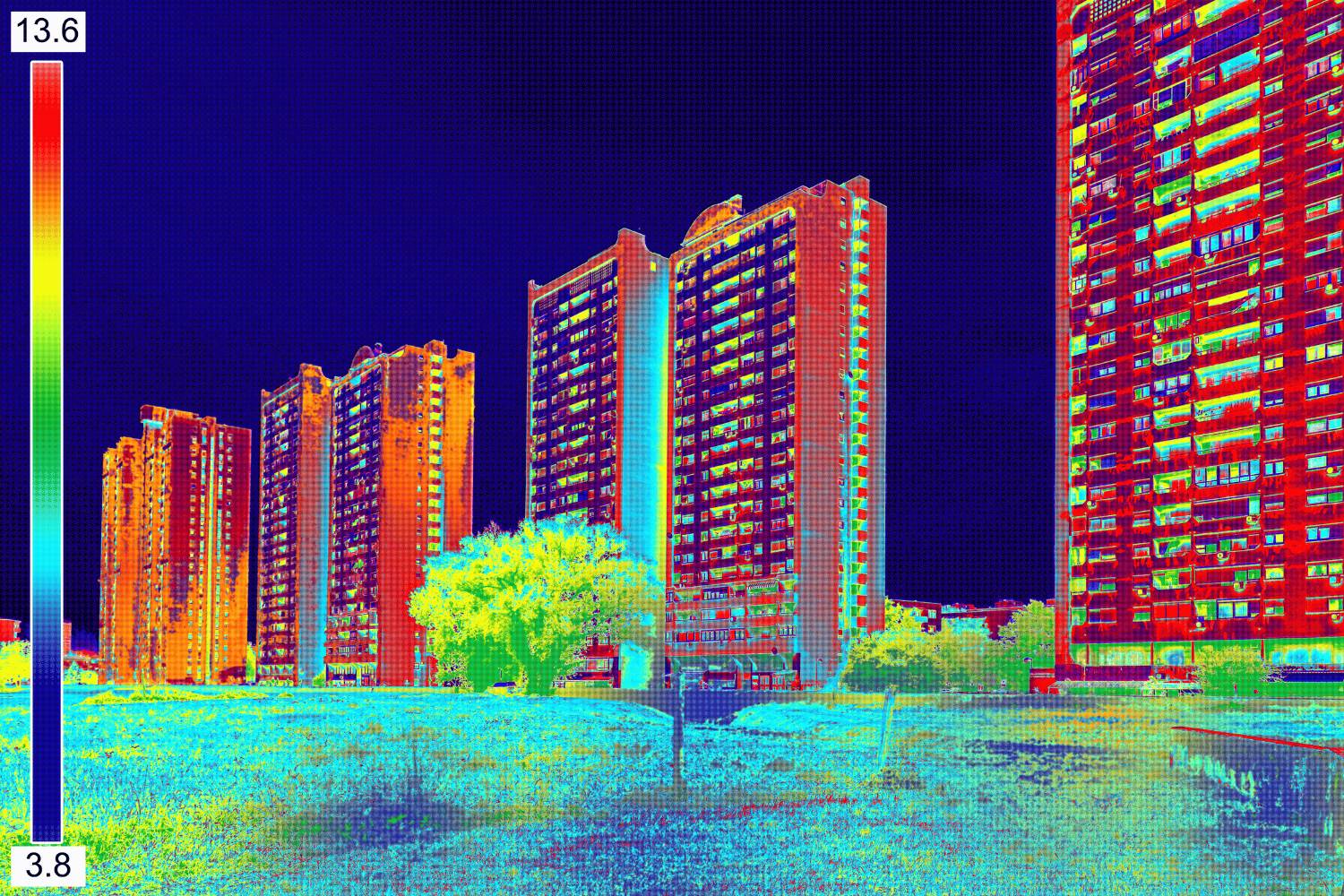
Reducing Carbon Footprint
Reducing energy consumption has a direct impact on greenhouse gas emissions.
In the context of the energy transition, an energy audit becomes an essential tool for lowering a building’s environmental footprint. It helps pinpoint the most effective actions for cutting emissions.
This is especially relevant for businesses looking to improve their environmental performance or meet ESG objectives.
Meeting Regulatory Requirements
In Quebec, certain organizations must comply with energy efficiency requirements.
An energy audit helps meet these obligations while also anticipating future regulatory changes — avoiding costly last-minute adjustments.
It is also a useful tool for preparing renovation projects or funding applications.
Who Is an Energy Audit For?
Homeowners and Property Owners
Owners of homes or small buildings can benefit from an energy audit to improve comfort and reduce energy bills.
It helps identify priority renovation work and can also increase the property’s market value.
Businesses and Industries
For businesses, an energy audit is a significant strategic lever.
It reduces operating costs, improves profitability, and strengthens competitiveness. In certain sectors, energy savings can represent a considerable financial gain.
It also helps enhance the company’s reputation in terms of sustainable development.
Multi-Unit Residential Buildings
Multi-unit residential buildings often have high energy consumption due to their size and usage patterns.
An energy audit identifies sources of waste, optimizes shared systems, and improves the building’s overall cost-effectiveness.
It also contributes to better comfort for all occupants.
How an Energy Audit Works
Data Collection
The first step involves gathering all available information: energy bills, building plans, equipment specifications, and usage patterns.
This data establishes an initial energy profile and helps identify consumption trends.
Consumption Analysis
The collected data is then analyzed in detail. The goal is to understand how energy is being used and to identify anomalies.
This analysis pinpoints the most energy-intensive systems and detects inefficiencies.
On-Site Inspection
A site visit is essential to complement the analysis.
It allows auditors to observe equipment, assess the condition of the building envelope, and verify actual operating conditions.
This step is critical for validating assumptions and uncovering issues that are not visible in the data alone.

Identifying Improvement Opportunities
Based on the analyses, concrete recommendations are proposed.
- building improvement work
- equipment replacement
- operational adjustments
- changes in usage
Each recommendation is tailored to the building’s specific context and objectives.
As Natural Resources Canada explains regarding energy audits, a structured audit follows several key steps — from data collection through to the identification of improvement measures.
What an Energy Audit Report Contains
Building Energy Overview
The report presents a detailed picture of the building’s energy consumption over a given period, typically based on available bills and meter readings.
It breaks down energy use by category — heating, ventilation, air conditioning, lighting, and equipment — to show precisely where energy spending is concentrated.
The overview also highlights performance gaps compared to similar buildings or recognized standards, helping to assess the building’s efficiency level and identify areas for improvement.
Finally, it identifies the main sources of energy loss, whether related to the building envelope, mechanical systems, or usage habits.
Concrete Recommendations
The report proposes specific, context-appropriate actions to improve the building’s energy performance.
Recommendations may include technical upgrades such as insulation improvements, equipment replacement, or optimization of existing systems. They may also involve operational adjustments, such as modifying operating schedules or system settings.
Each recommendation is accompanied by clear explanations of how it works, its expected benefits, and the conditions for implementation — helping stakeholders understand the anticipated impact.
In some cases, multiple scenarios may be presented to compare different approaches based on objectives and available budget.
Savings Estimates
Each proposed measure comes with an estimate of potential energy and financial savings.
These estimates are based on technical calculations and realistic assumptions, taking into account the building’s specific characteristics and usage.
The report may also include a return-on-investment estimate, indicating how long it will take for the savings generated to offset the cost of the work.
This information is essential for helping owners and managers make informed decisions and prioritize investments.

Prioritization of Actions
Recommendations are ranked according to several criteria, including energy impact, cost, complexity, and ease of implementation.
This prioritization distinguishes quick, low-cost actions — often called “quick wins” — from more structural projects that require a greater investment.
The report may also propose a phased action plan, allowing improvements to be spread over time based on available resources.
This approach facilitates work planning, optimizes investments, and maximizes long-term benefits.
How Much Does an Energy Audit Cost in Quebec?
Factors That Influence the Cost
The cost of an energy audit varies depending on several factors:
- the size of the building
- its technical complexity
- the type of use (residential, commercial, industrial)
- the level of detail required for the analysis
The more complex the building, the more in-depth the audit will be.
General Cost Ranges
In Quebec, an energy audit can range from a few hundred dollars for a residential building to several thousand dollars for a commercial or industrial property.
It is an upfront investment that should be evaluated in light of the potential savings it can generate.
Available Grants and Financial Assistance
Financial assistance programs can help reduce the cost of an energy audit.
These grants are designed to encourage property owners and businesses to improve the energy efficiency of their buildings.
Hydro-Québec offers financial support for energy analyses, as detailed through their energy analysis program for businesses.
Advantages and Limitations of an Energy Audit
Key Benefits
An energy audit offers numerous advantages.
It reduces energy costs, improves occupant comfort, and optimizes the building’s overall performance.
It also serves as a strategic tool for planning investments and prioritizing actions.
These recommendations can then be used to improve your building’s energy efficiency in a progressive and sustainable way.
Limitations to Consider
An energy audit involves an upfront cost and requires time.
Furthermore, results depend on whether the recommendations are actually implemented. Without concrete action, the benefits remain limited.
Conclusion
An energy audit is far more than a simple assessment. It is a comprehensive tool that provides an in-depth understanding of a building’s energy consumption and identifies concrete solutions.
In a context where economic and environmental challenges are growing ever more pressing, it is an essential step toward improving energy performance and reducing long-term costs.
Frequently Asked Questions (FAQ)
Is an Energy Audit Mandatory in Quebec?
It depends on the type of building and sector of activity. Certain organizations are required to conduct audits to comply with regulations.
How Long Does an Energy Audit Take?
The duration varies depending on the size and complexity of the building. It can range from a few days to several weeks.
What Is the Difference from an Energy Study?
An energy study is typically conducted upstream of a project, while an audit focuses on an existing building.
When Should You Get an Energy Audit?
It is recommended to conduct an audit during renovations, when energy costs rise, or as part of a broader optimization initiative.