
Increasingly common in institutional, commercial and industrial projects across Québec, geothermal energy is a durable and high-performance energy solution. As buildings become more energy intensive and organizations look to reduce their emissions, this technology helps lower costs, improve efficiency and gain stability. To fully understand its potential, let’s explore how geothermal energy works, its applications, and the concrete benefits it offers in the Québec market.
What is geothermal energy?
Geothermal energy refers to the use of natural heat stored beneath the Earth’s surface. This heat, which comes mainly from the Earth’s core and from solar energy stored in the ground, is a stable and renewable resource. Unlike energy sources that depend directly on outdoor temperature or weather conditions, geothermal energy is based on consistent ground temperatures that are available year-round.
In fact, just a few metres below the surface, ground temperature in Québec levels off around 5 °C to 8 °C and remains relatively constant, even during extreme cold. This means a geothermal system can absorb or release heat very efficiently, making it particularly well suited to a northern climate.
How does a geothermal system work?
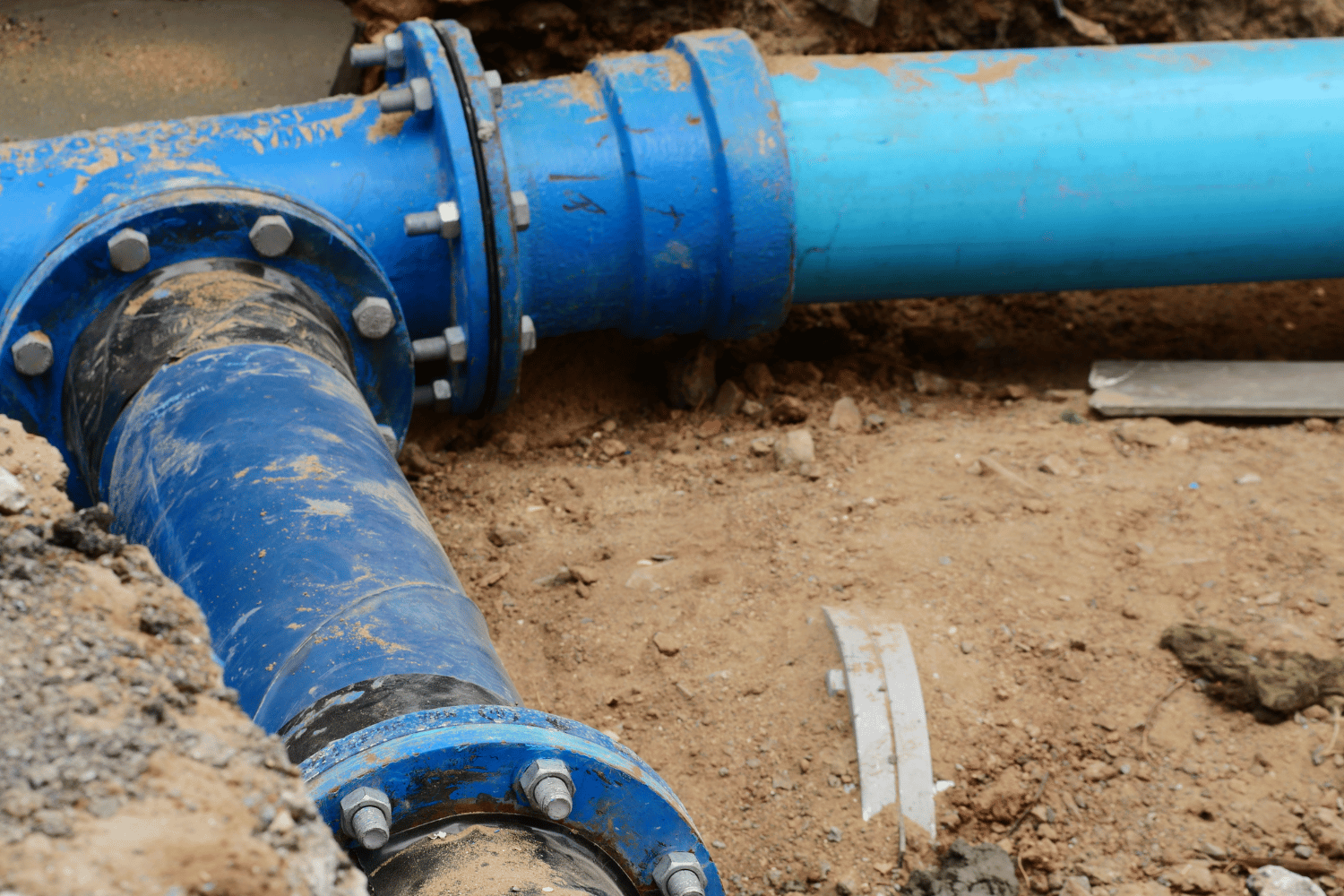
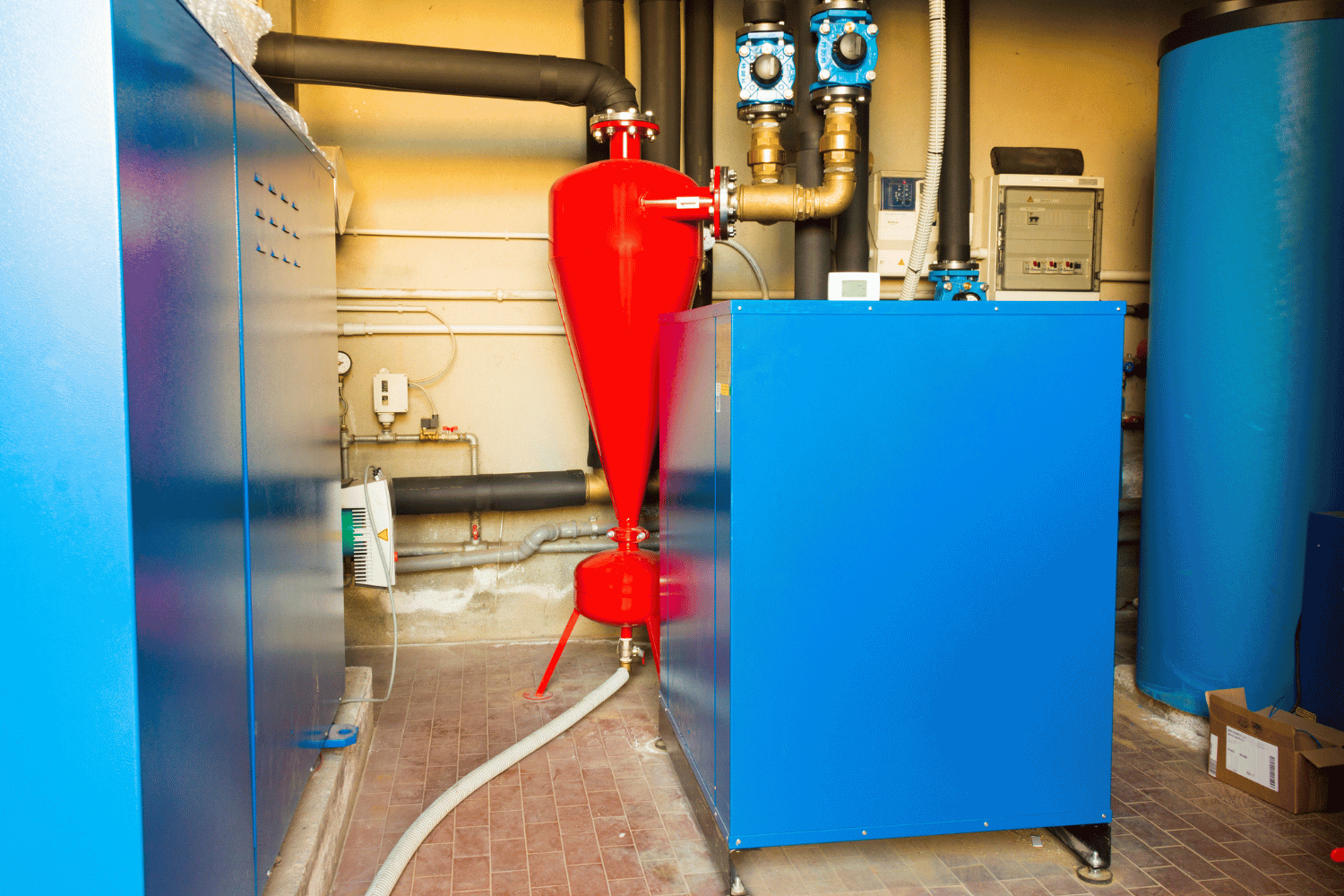
To better understand it, it helps to remember that geothermal energy relies on two complementary components. First, there is the geothermal loop, installed in the ground, where a heat-transfer fluid circulates. Then, there is the geothermal heat pump, installed inside the building. Together, these two elements transfer heat between the ground and the building.
In winter, the fluid travels through the loop to absorb heat from the ground. Once it reaches the heat pump, this energy is compressed and amplified to heat the building. In summer, the opposite happens: heat from the building is transferred back into the ground, which acts as a huge natural heat sink. Thanks to this cycle, a geothermal energy system can provide both heating and cooling very efficiently throughout the year.
For a more technical overview of the different uses of geothermal energy, you can refer to the dedicated resource from Natural Resources Canada.
Geothermal systems and their applications in Québec
Depending on the site conditions, the building’s needs and the energy objectives, different types of geothermal energy systems can be considered. Because Québec includes both dense urban environments, varied soil conditions and large institutional buildings, several technologies are used across the province.
Closed loops: vertical and horizontal
Closed-loop systems are generally preferred because they are durable, reliable and require little maintenance. That said, their configuration will vary depending on site constraints.
Vertical loops are inserted into boreholes drilled tens or even hundreds of feet deep. They are ideal where space is limited—which is often the case in commercial or institutional settings. In addition, drilling deeper can provide access to more stable ground temperatures, which improves performance.
Horizontal loops, on the other hand, are installed in wide, shallow trenches. They are typically less expensive but require open land. This configuration is more common in rural areas or on large industrial properties.
Open loops
An open-loop system uses groundwater from an aquifer as a heat source. Because the water circulates directly through the heat pump, the efficiency is often higher. However, this solution requires a constant, regulated supply of water, which limits its use. It remains an interesting option when hydrogeological conditions are favourable.
Deep geothermal vs. shallow geothermal
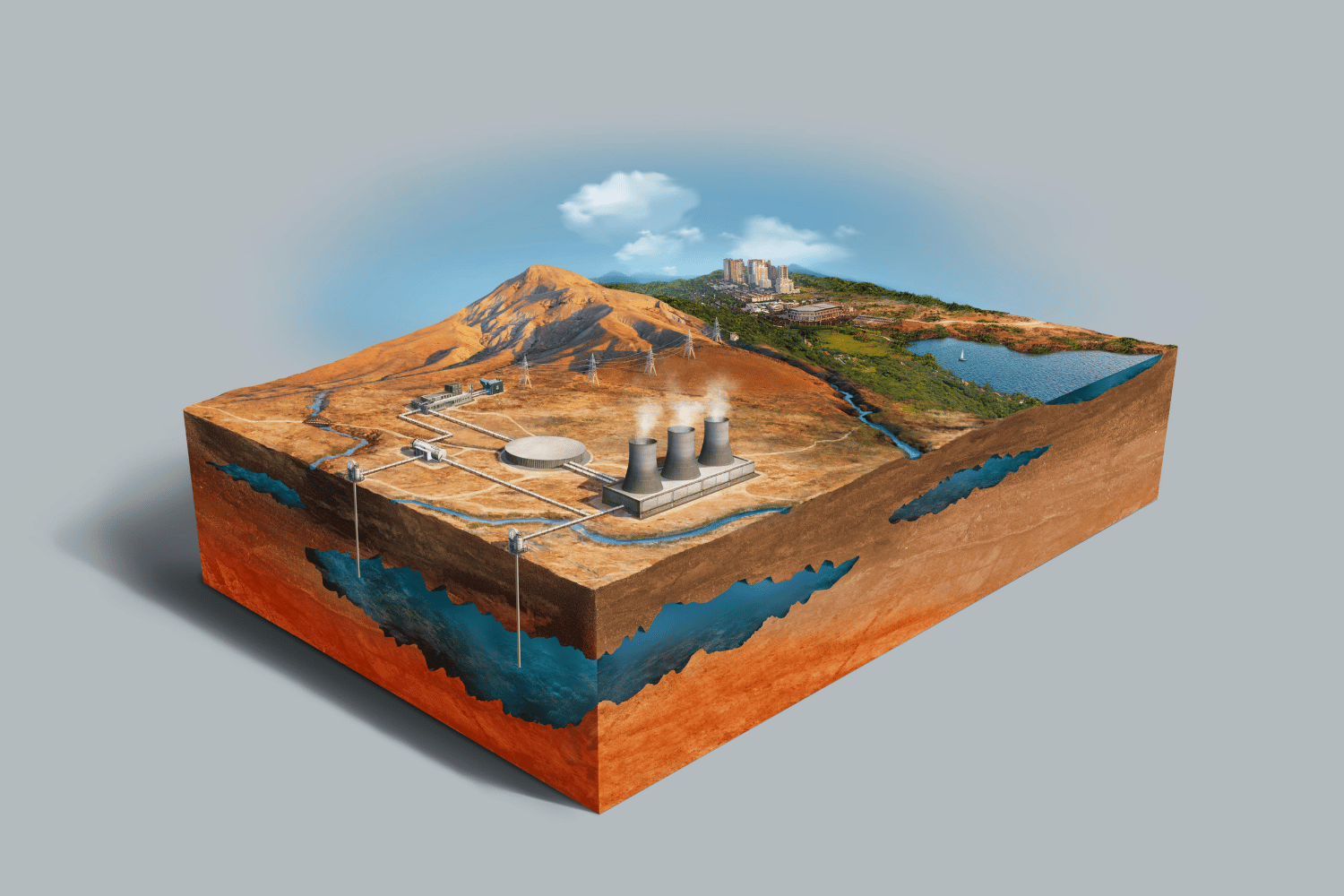
Shallow geothermal energy is the solution used in most Québec buildings. Deep geothermal, by contrast, taps resources located several kilometres below the surface. Since this technology can access much higher temperatures, it is mainly used for large-scale industrial projects or electricity production. In Québec, its potential is still being evaluated, but pilot projects are promising for the future.
Potential applications in Québec
Because of its versatility, geothermal energy can be integrated into many different settings, including:
- schools, colleges and universities;
- hospitals and healthcare centres;
- retail spaces, office buildings and sports complexes;
- plants and industrial facilities that need stable thermal conditions;
- multi-residential buildings.
Benefits of geothermal energy for commercial and institutional buildings
Geothermal energy offers a unique combination of economic, environmental and operational benefits. These advantages explain why it is increasingly seen as a key solution in energy transition strategies in Québec.
Superior energy efficiency
A geothermal energy system can produce up to four times the energy it consumes, which represents an outstanding performance compared to conventional electric systems. As a result, it is possible to reduce heating costs by as much as 70%, in part by significantly lowering electricity consumption during the winter months, which are often the most expensive for organizations.
Reduced GHG emissions
By reducing reliance on fossil fuels and less efficient systems, geothermal energy has a direct impact on emissions. In addition, because Hydro-Québec’s electricity is primarily hydroelectric, using a geothermal heat pump significantly lowers a building’s carbon footprint. For a more in-depth look at the environmental benefits, you can visit ORT Énergie’s geothermal energy page.
Stable performance even in extreme cold
Since geothermal energy draws on heat stored in the ground—a stable source—it continues to perform well even when outdoor temperatures drop below −25 °C or −30 °C. This is a major advantage in a climate like Québec’s, where cold snaps regularly put air-source systems to the test.
Outstanding lifespan and low maintenance
Another major benefit is system durability. Underground loops often have a lifespan of more than 50 years, while geothermal heat pumps typically operate for 20 to 25 years. Thanks to their robust design, they require very little maintenance, which helps organizations stabilize operating costs over the long term.
Geothermal energy vs. other heating systems
To fully appreciate the value of geothermal energy, it is useful to compare it with other solutions commonly used in Québec. The differences are significant, both in terms of cost and energy efficiency.
Comparison with electric systems
Although electric systems are simple to install and maintain, they often consume a lot of energy, especially in winter. In contrast, geothermal energy offers much higher efficiency, which leads to substantial savings and a significant reduction in electric demand during peak periods.
Comparison with natural gas systems
Natural gas systems can be effective for heating large spaces, but they are closely tied to fluctuations in gas prices and produce greenhouse gas emissions. Geothermal energy eliminates these issues by relying on a clean, locally available energy source.
Total cost of ownership
When you account for the lifespan of the installations and the savings generated, geothermal energy is one of the most cost-effective solutions over the long term. Even though the upfront investment is higher, the return on investment becomes very attractive after a few years, particularly in buildings with high energy consumption.
Available grants and incentive programs
To support the energy transition, several provincial and federal programs offer financial assistance to organizations that want to install a geothermal energy system. Here are the main ones:
ÉcoPerformance Program – Transition énergétique Québec
This program aims to improve the energy efficiency of commercial, institutional and industrial buildings. It can partially fund studies, installation or modernisation of a geothermal energy system.
Learn more about the ÉcoPerformance program
Low Carbon Economy Fund – Government of Canada
This federal fund supports projects that reduce GHG emissions, including geothermal energy projects. It applies mainly to organizations, industries and large-scale initiatives.
View available federal funding
Innov-R Program – Québec
This program targets innovative projects focused on emission reductions. It can be relevant for geothermal installations integrated into industrial processes or specialized buildings.
Learn more about the Innov-R program
How to choose the right geothermal system for your building
Choosing the right geothermal energy configuration is essential to fully benefit from the technology. Several factors must be analysed before designing the system.
Site and soil analysis
The site’s geology—soil composition, depth, presence of groundwater and physical constraints has a direct impact on the type of loop to use. A geotechnical study helps determine feasibility and expected performance.
Proper system sizing
An undersized or oversized installation can lead to inefficiencies and additional costs. That is why a comprehensive energy analysis is essential to plan the required capacity of the geothermal heat pump.
The importance of professional expertise
The quality of drilling, engineering and installation directly affects system performance. For an optimized, long-lasting project, it is recommended to work with specialized experts such as ORT Énergie, who can manage the entire process from design to commissioning.
Conclusion
In short, geothermal energy is a proven, high-performance technology that is perfectly suited to Québec’s climate. With its efficient heating and cooling capabilities, remarkable thermal stability and low operating costs, it stands out as a strategic choice for organizations that want to improve their energy efficiency while reducing their carbon footprint. When combined with available grant programs, geothermal energy becomes an even more accessible solution for commercial, institutional and industrial buildings.
Frequently asked questions (FAQ)
Does geothermal energy still work during extreme cold?
Yes. The system draws on the ground’s stable heat, which allows it to maintain optimal performance even when outdoor temperatures are extremely low.
Is it suitable for industrial buildings?
Absolutely. Its stability and high efficiency make geothermal energy a very attractive solution for industries with significant thermal needs.
What is the typical payback period?
Depending on the building size and the savings generated, it generally ranges from 5 to 12 years.
Does a geothermal energy system require a lot of maintenance?
Very little. The underground loop is essentially permanent, and the heat pump requires maintenance similar to that of a modern mechanical system.