
A building may appear to function well on a daily basis while still wasting a significant amount of energy. In Quebec, where heating, ventilation, and lighting account for a large share of operating costs, this situation is common. This is precisely where an energy audit becomes highly valuable. It provides a clear diagnosis, identifies inefficiencies, and most importantly, shows where to start.
What Is a Building Energy Audit?
Main Objectives of an Energy Audit
First and foremost, an energy audit aims to understand how energy is actually consumed within a building. It answers essential questions: which systems consume the most energy, where losses occur, and what actions can reduce energy bills without compromising comfort or operations.
Secondly, the audit helps prioritize interventions. Rather than investing blindly, it allows decision-makers to focus on the most effective measures based on budget, timelines, and operational constraints. Each action is therefore part of a coherent and structured strategy.
Finally, an energy audit serves as the foundation of a long-term sustainability approach. With clear performance indicators and structured monitoring, it becomes possible to continuously improve energy performance rather than relying on one-time actions.
For a recognized methodological reference, Natural Resources Canada also provides a guide on conducting an energy audit, which is useful for understanding best practices and analytical frameworks.
Difference Between an Energy Audit and an Energy Assessment
An energy assessment generally represents an initial overview of a building’s energy performance. It highlights key trends and identifies improvement opportunities based on existing data and a brief site visit.
An energy audit, on the other hand, goes much further. It is based on an in-depth analysis of building systems, the envelope, and usage patterns. It typically includes detailed recommendations, prioritized measures, and estimated energy savings, making decision-making significantly easier.
Different Types of Energy Audits
There are several levels of energy audits, each designed to meet specific needs. The choice depends on the building type and the objectives pursued.
- Walk-through audit: quick and accessible, it identifies obvious energy-saving opportunities related to controls, schedules, or lighting.
- Detailed audit: more comprehensive, it provides an in-depth analysis of systems and often serves as the basis for a structured energy improvement plan.
- Audit with energy modeling: particularly useful for complex buildings or major projects, it allows comparison of different retrofit scenarios.
Why Conduct an Energy Audit?
Reducing Operating Costs
In many cases, energy savings do not require major renovations. Simple adjustments can generate quick gains: schedule changes, correction of temperature drift, or ventilation optimization. An energy audit helps identify these opportunities and avoid unnecessary expenses. It also provides a solid foundation to maximize your building’s energy performance in a structured way.
Moreover, a well-tuned building places less strain on its equipment. As a result, system lifespan is extended, which also reduces long-term maintenance costs.
Energy Performance and Occupant Comfort
Contrary to common misconceptions, energy efficiency does not come at the expense of comfort. In fact, an audit often aims to correct recurring issues such as cold zones, overheating during shoulder seasons, or poor indoor air quality.
By identifying the root causes of these discomforts, it becomes possible to balance systems and improve indoor conditions. Occupants therefore benefit from a more stable and comfortable environment.
Regulatory Compliance and Access to Incentives
Many financial assistance programs require a prior energy analysis. In this context, the energy audit serves as a foundation to document the building’s baseline condition and demonstrate potential energy savings.
In this regard, the Government of Quebec’s practical guide outlines a structured approach to planning and implementing concrete energy efficiency measures.

Which Buildings Can Benefit from an Energy Audit?
Commercial Buildings
Commercial buildings often have variable occupancy profiles. As a result, systems are not always aligned with actual usage. An energy audit helps adjust settings and reduce periods of overconsumption.
Industrial Buildings
In industrial environments, energy use is closely tied to processes and specialized equipment. An audit helps identify the most energy-intensive areas and solutions compatible with production requirements.
Institutional Buildings
Schools, sports facilities, and municipal buildings must meet high standards for comfort and safety. In these cases, an energy audit helps prioritize effective measures while respecting the building’s mission.
Multi-Unit Residential Buildings
In residential buildings, energy challenges often relate to heating, domestic hot water, and airtightness. An energy audit helps reduce heat losses and improve occupant comfort, often resulting in fewer complaints.
Key Steps in a Building Energy Audit
Energy Data Collection
The process begins with the collection of existing energy data, including electricity, gas, or other energy bills over a representative period, typically 12 to 36 months. This data helps identify seasonal trends, consumption peaks, and recurring anomalies.
At the same time, the auditor gathers information on building occupancy, operating schedules, specific uses, and operational constraints. These elements are essential for accurately interpreting the data and avoiding conclusions disconnected from real-world conditions.
Technical Site Visit and System Analysis
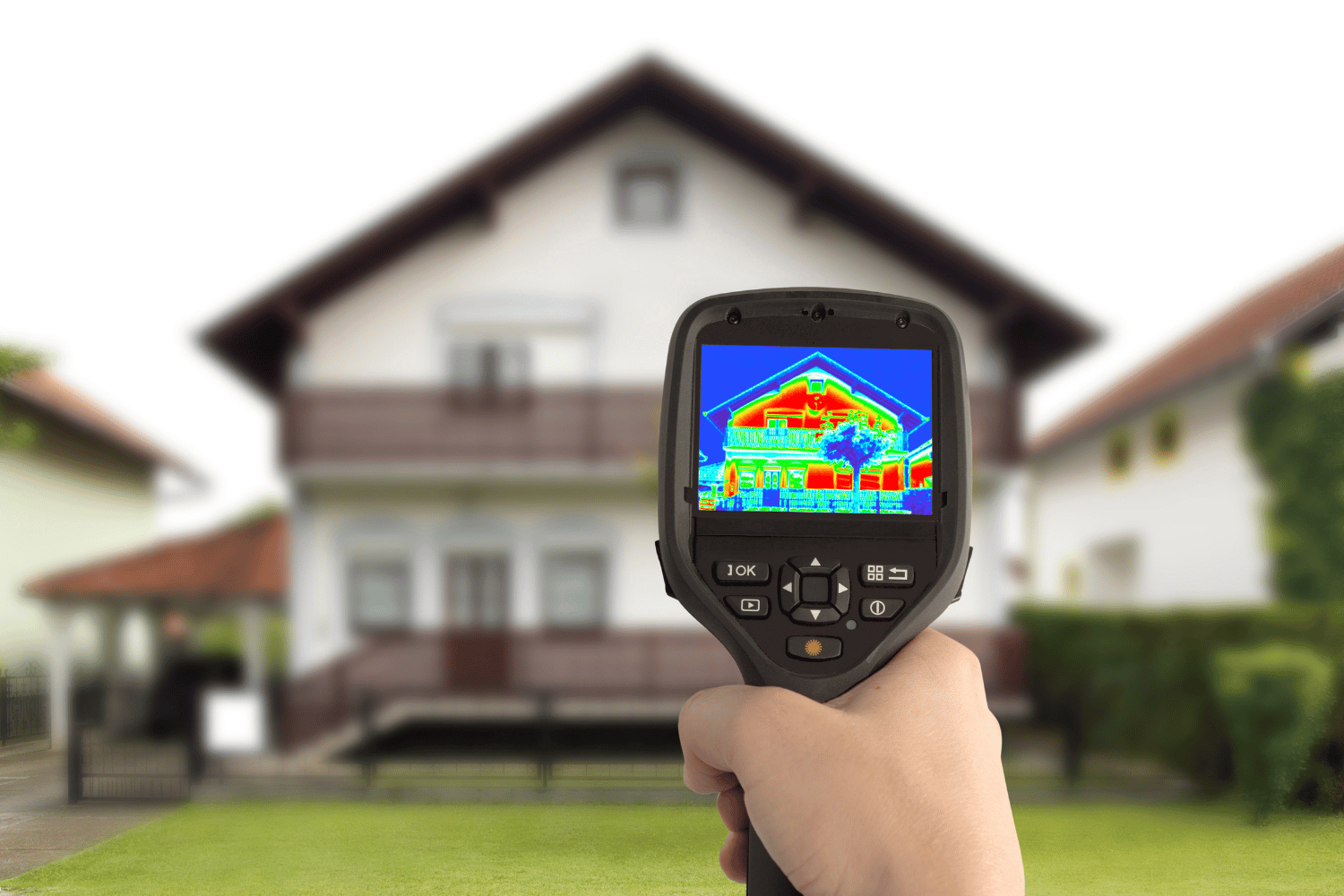
The technical site visit is a critical step in the energy audit. It validates how systems actually operate and compares theoretical data with observed conditions. The auditor reviews the building envelope, insulation levels, air tightness, as well as heating, ventilation, air conditioning, and lighting systems.
In addition, the visit helps identify issues often invisible in data alone, such as improper control settings, equipment running continuously, poorly calibrated sensors, or zones experiencing overheating or underheating. These observations often explain a significant portion of energy losses.
Consumption and Energy Loss Analysis
Based on the collected data and on-site observations, the auditor conducts a detailed analysis of energy consumption. This step breaks down usage by end use: heating, ventilation, lighting, domestic hot water, or processes, in order to better understand the main energy drivers.
As a result, sources of waste become easier to identify, whether due to thermal losses, over-ventilation, oversized equipment, or inefficient operating practices. This analysis transforms raw numbers into actionable insights.
Recommendations and Measure Prioritization
The audit recommendations are then grouped and structured by category. They may include operational measures such as schedule adjustments or control optimization, targeted maintenance actions, or more significant capital investments.
To facilitate decision-making, these measures are prioritized based on energy impact, technical feasibility, cost, and compatibility with building operations. This provides owners with a clear roadmap to progressively improve energy performance without unnecessary disruption.
What Does an Energy Audit Report Include?
Building Energy Profile
The audit report typically begins with an overall energy profile of the building. This section summarizes current consumption, observed trends, and energy distribution by end use. It also highlights the main issues identified during the analysis and site visit.
This overview allows readers to quickly understand priorities and the factors most influencing overall energy performance.
Proposed Energy Efficiency Measures
The core of the report lies in the presentation of improvement measures. Each recommendation is clearly explained, including the identified issue, the proposed solution, and implementation conditions. This approach ensures clarity, even for non-technical decision-makers.
Measures are often classified by investment level and complexity, helping plan short-, medium-, and long-term actions.
Cost Estimates and Return on Investment
Finally, the report includes estimated costs for each measure along with anticipated energy savings. These estimates make it possible to calculate indicators such as return on investment or payback period.
While these figures are projections, they provide a solid basis for comparing options, establishing realistic budgets, and supporting informed investment decisions.

How to Choose an Energy Audit Expert in Quebec
Required Skills and Experience
Selecting the right expert is critical to the quality of the audit. It is recommended to work with a professional who has proven experience with buildings similar to yours, whether commercial, industrial, institutional, or residential.
This experience allows for a better understanding of building-specific constraints and the development of realistic, context-appropriate recommendations.
Approach and Methodology
A clear and transparent methodology is essential to ensure audit credibility. The expert should be able to explain their approach, assumptions, and analytical limitations.
A strong approach also includes collaboration with on-site teams to validate findings and ensure recommendations align with operational realities.
Support and Incentive Assistance
Comprehensive support goes beyond delivering a report. It also includes assistance with funding applications and identifying relevant incentive programs.
In this respect, Natural Resources Canada offers a detailed guide on conducting an energy audit, outlining best practices and key steps for an effective process.
Conclusion
Ultimately, an energy audit is often the best way to determine where to begin. It transforms assumptions into concrete data and enables the development of a structured action plan. In Quebec, where energy challenges are significant, this process represents a powerful lever to reduce costs, improve comfort, and support the energy transition. To move from analysis to action, discover our energy efficiency services.
Frequently Asked Questions (FAQ)
How much does a building energy audit cost?
Costs vary depending on building size, system complexity, and the desired level of detail. However, the resulting energy savings often offset the initial investment.
How long does an energy audit take?
The duration depends on data availability and building size. Generally, several weeks are required from data collection to final report delivery.
Is an energy audit mandatory in Quebec?
Requirements depend on the context and applicable programs. Even when not mandatory, an energy audit is strongly recommended to guide decision-making.
How often should an energy audit be updated?
It is recommended to update the audit following major changes such as renovations or changes in building use to maintain optimal performance.