
With rising energy costs and increasing regulatory pressure, energy efficiency has become a key issue in Quebec. It affects residential, commercial, and industrial buildings alike. Improved performance helps reduce expenses, enhance comfort, and extend the lifespan of building systems. To achieve these benefits, a structured approach remains essential.
What Is Building Energy Efficiency?
A Simple and Practical Definition
Building energy efficiency refers to a building’s ability to provide a comfortable indoor environment while using as little energy as possible. It relies on optimizing several key elements, including the building envelope, mechanical systems, equipment, and occupant behavior.
Contrary to common misconceptions, an energy-efficient building is not more complex. It is primarily better designed, better tuned, and better managed. As a result, every kilowatt-hour consumed truly contributes to the building’s needs.
Energy Performance vs. Energy Consumption
Reducing energy consumption does not always mean improving performance. Performance depends on a building’s ability to meet its needs with minimal losses. Two buildings may consume a similar amount of energy while delivering very different results.
This is why it is essential to analyze energy consumption in relation to actual use and the level of comfort provided.
Key Energy Performance Indicators
Common indicators include energy use intensity, energy consumption by end use, and annual energy costs. These metrics help identify priority areas for intervention and measure gains achieved after each improvement.
Why Improve Energy Efficiency in Quebec?
Reducing Energy Costs
In Quebec, electricity is relatively affordable. However, inefficient buildings generate high long-term costs. Improving energy efficiency reduces recurring expenses and helps stabilize operating budgets.
This cost reduction is especially strategic for property managers and organizations with high energy consumption.
Comfort and Building Value
A high-performing building provides more stable temperatures and better indoor air quality. As a result, occupant comfort increases, leading to higher satisfaction and productivity.
Over the long term, these benefits also help increase the building’s value and attractiveness on the market.
Standards, Regulations, and Quebec’s Climate
Quebec’s climate creates significant heating needs. In addition, standards and government programs encourage higher-performance practices. These measures aim to reduce overall energy demand and associated emissions.

Where Energy Is Lost in a Building
Building Envelope
The building envelope is the first barrier against energy loss. Poor insulation or inadequate airtightness leads to significant losses. In winter, these deficiencies force systems to operate longer.
Thermal bridges and air infiltration further increase energy overconsumption.
Heating, Ventilation, and Air Conditioning Systems
HVAC systems often represent the largest share of energy consumption. When they are poorly sized or inadequately maintained, excessive energy use becomes inevitable.
Inefficient air distribution and poorly calibrated controls further exacerbate the problem.
Lighting and Equipment
Lighting and equipment have a significant impact, especially in commercial buildings. Outdated technologies increase electrical loads. This consumption is often invisible but costly over time.
Occupant Behavior
The human factor is often overlooked. However, improper settings or inefficient schedules can negate many technical gains. Proper awareness and engagement therefore remain essential.
Practical Solutions to Improve Energy Efficiency
Insulation and Airtightness
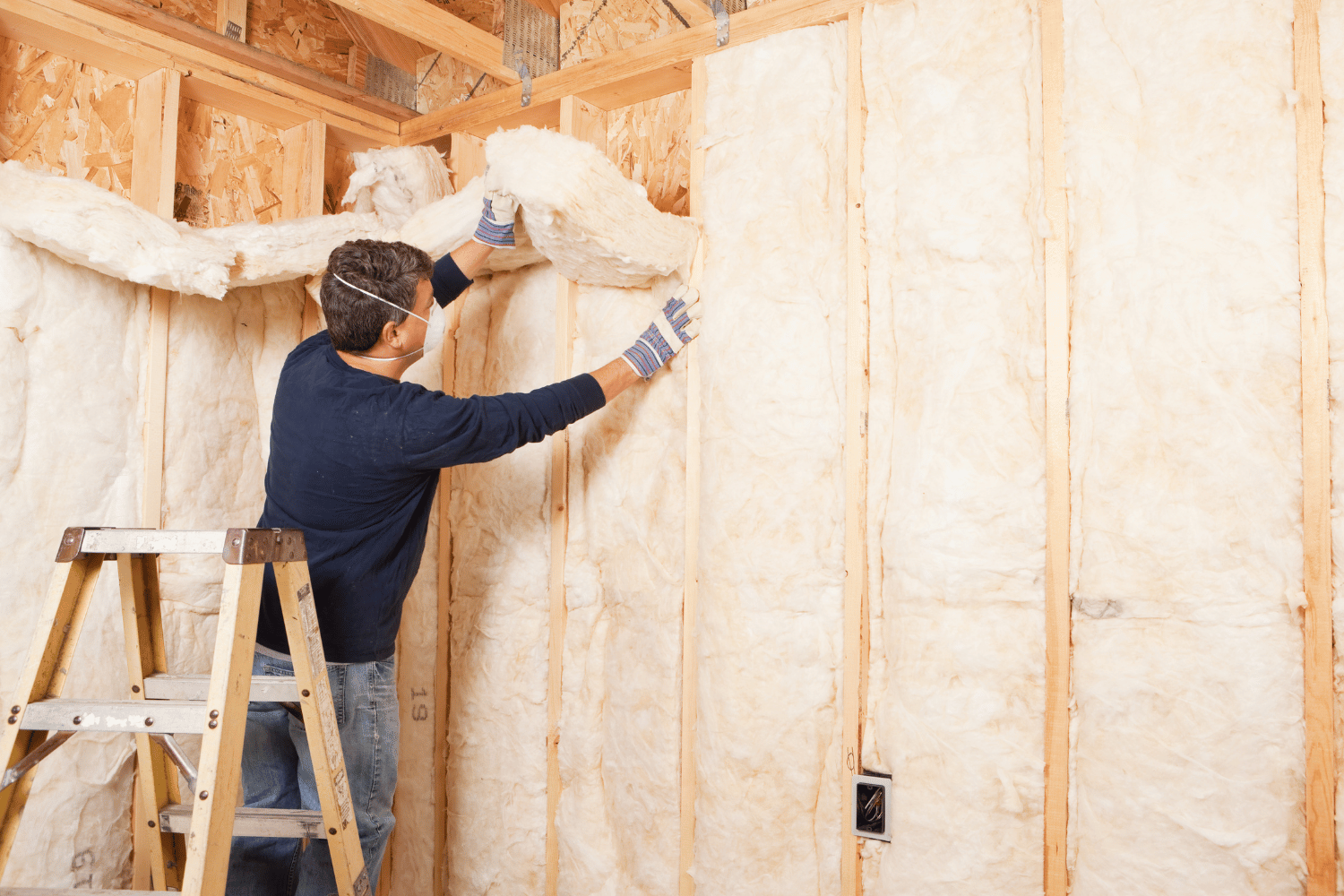
Improving insulation is often highly cost-effective. It quickly reduces heat losses while improving comfort and extending equipment lifespan.
These measures form a solid foundation to maximize a building’s energy performance in a sustainable way.
HVAC System Optimization
Optimizing HVAC systems involves proper tuning, upgrades, and maintenance. These actions reduce energy consumption and improve equipment reliability.
Lighting Modernization
Switching to LED lighting significantly reduces energy use. When combined with smart controls, it also lowers maintenance requirements while improving visual comfort.
Automation and Smart Controls
Automated systems adjust energy use based on occupancy and schedules. Energy is therefore used only when needed, effectively limiting waste.
Energy Management Technologies for Buildings
Building Management Systems
Building management systems centralize equipment control and provide a clear view of energy performance. As a result, anomalies are detected more quickly.
These systems also facilitate preventive maintenance. Settings can be adjusted based on occupancy or weather conditions, enabling continuous optimization.
Energy Monitoring and Consumption Analysis
Monitoring energy consumption helps clarify actual usage patterns. By comparing data over time, deviations are easier to detect, allowing faster corrective action.
This analysis also measures the impact of improvements. Strategies can then be adjusted to maximize long-term savings.
Integrating Renewable Energy
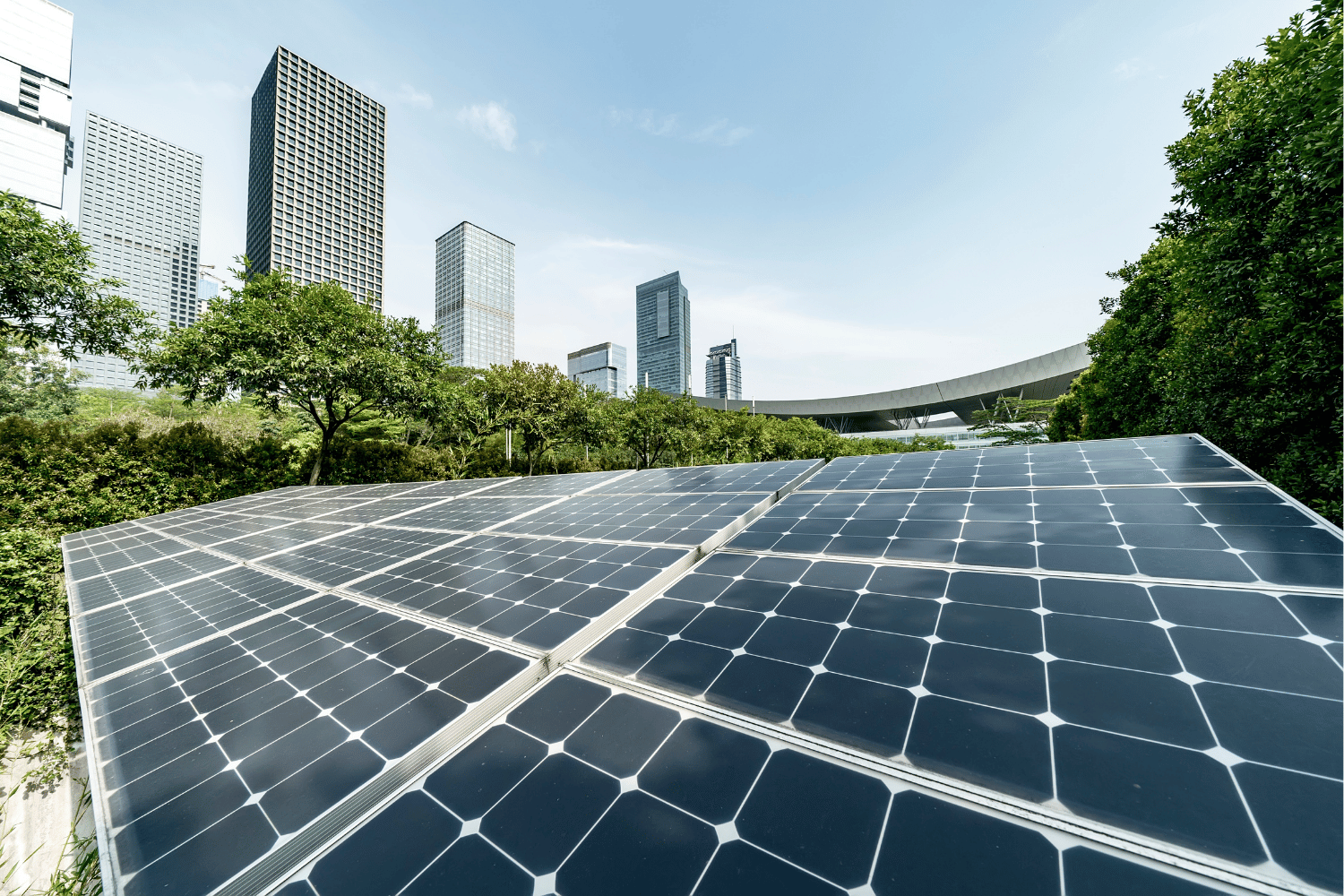
When conditions are favorable, renewable energy sources complement efficiency measures effectively. They reduce reliance on traditional energy sources and improve environmental performance.
However, these solutions are most effective after consumption has been reduced. This approach supports greater energy autonomy.
Professional Support and Incentives in Quebec
Energy Audit
An energy audit is the first step in a structured approach. It assesses a building’s actual performance and aligns with broader energy transition efforts in Quebec.
Action Plan and Return on Investment
Following the audit, a clear action plan is essential. It structures interventions over time and prioritizes investments based on impact.
This phased approach minimizes disruption and improves overall return on investment.
Incentives and Financial Assistance Programs
In Quebec, several funding programs actively support energy efficiency projects. These incentives aim to reduce upfront costs, accelerate payback periods, and encourage the adoption of more sustainable practices in residential, commercial, and institutional buildings.
- Government of Quebec Financial Assistance Programs
These programs support projects focused on improving energy performance, reducing energy consumption, and lowering greenhouse gas emissions. They may include funding for energy audits, mechanical system upgrades, building optimization, and larger-scale energy transition initiatives. - Hydro-Québec Energy Efficiency Programs
Hydro-Québec offers programs for businesses, institutions, and organizations seeking to reduce electricity consumption. Financial incentives may support measures such as HVAC optimization, lighting upgrades, building automation, and energy management solutions.
Professional support helps identify the most relevant programs based on building type and project scope. It also simplifies eligibility assessment and application processes to maximize available financial assistance.
Conclusion
Improving a building’s energy efficiency is a winning strategy. It reduces costs, enhances comfort, and supports Quebec’s energy transition. With a structured approach, results are both measurable and sustainable.
Frequently Asked Questions (FAQ)
What are the first steps to take?
The initial steps typically involve conducting an energy audit and analyzing existing energy consumption. These actions quickly identify major sources of waste and help prioritize the most cost-effective measures.
Which types of buildings can improve their energy efficiency?
All types of buildings can benefit from energy efficiency improvements, including residential, commercial, industrial, and institutional buildings. Solutions must be tailored to the building’s use, size, and age.
How long does it take to recover the investment?
Payback periods depend on the measures implemented. Some optimizations generate quick savings, while others are part of a medium- or long-term strategy. In most cases, investments are recovered within a few years.
Is it possible to combine multiple incentives?
Yes, in some cases it is possible to combine provincial incentives with those offered by Hydro-Québec. A preliminary analysis helps determine compatible programs and maximize overall project funding.