
Energy transition is now at the heart of major collective debates in Quebec. In the face of the climate emergency and economic transformation, energy issues go far beyond technical considerations. They affect quality of life, social equity, regional development, and the future of coming generations. In this context, the emergence of a common front for energy transition appears as a necessary response to the scale of the challenges ahead.
The Common Front for Energy Transition: a citizen coalition at the heart of the debate
Origins and creation of the Common Front in 2015
The Common Front for Energy Transition was created in 2015, at a time marked by growing awareness of the limits of the traditional energy model. Many citizen, environmental, and labour organizations observed that energy decisions were too often made without meaningful public consultation. The need to create a collective space capable of bringing together different voices around shared objectives quickly became clear.
The creation of this coalition was driven by a clear intention: to move beyond fragmented approaches and promote a comprehensive vision of energy transition. From the outset, the Common Front positioned itself as a dialogue-oriented actor, seeking to influence public policy while strengthening citizen participation. To better understand its mission, composition, and positions, readers can consult the official website of the Common Front for Energy Transition.
A coalition of nearly 80 citizen, environmental, and labour organizations
Today, the Common Front for Energy Transition brings together close to 80 organizations from diverse backgrounds. These include citizen groups, environmental organizations, labour unions, and actors engaged in social justice. This diversity is one of the movement’s greatest strengths.
By uniting organizations with different expertise and lived realities, the Common Front is able to voice concerns that reflect the priorities of Quebec’s population. This plurality also makes it possible to address energy transition from multiple perspectives, including environmental, social, economic, and territorial considerations.
A vision: energy transition, carbon neutrality, and social justice
At the core of the Common Front’s approach lies an ambitious vision of energy transition. The goal is not only to reduce greenhouse gas emissions or promote renewable energy, but to fundamentally transform the energy model so that it is fairer and more inclusive.
Carbon neutrality is viewed as a collective objective that cannot be separated from social justice. The Common Front argues that the transition must not deepen existing inequalities, but instead help reduce them. Energy choices must therefore take into account their impacts on communities, workers, and more vulnerable populations.
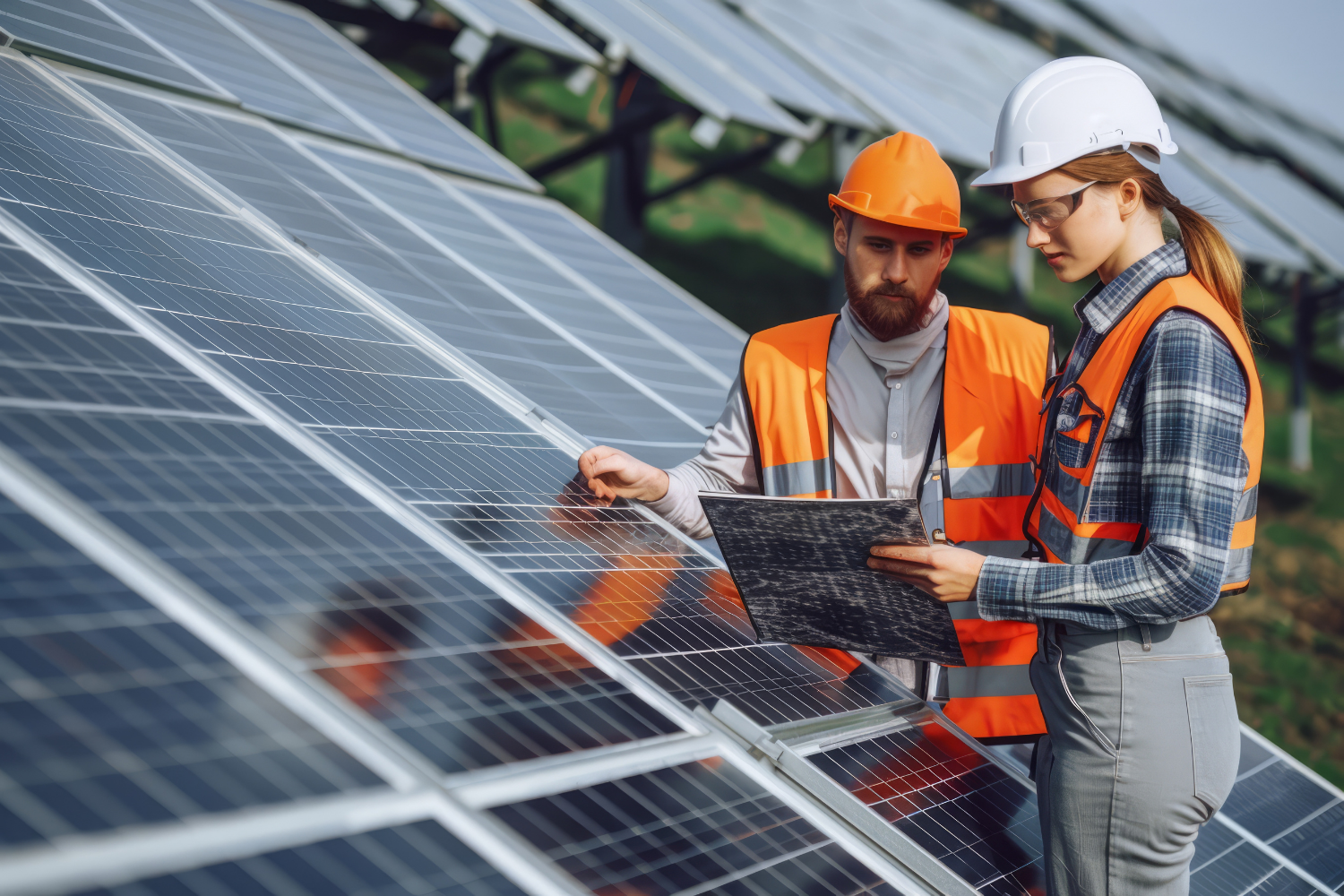
Why energy transition is a collective issue in Quebec
An energy model that must be transformed
Quebec benefits from a unique energy profile, notably due to the importance of hydroelectricity. However, despite this advantage, several sectors remain highly dependent on fossil fuels, particularly transportation and certain industrial activities. Energy transition therefore requires major structural changes.
Transforming Quebec’s energy model cannot be achieved through isolated actions. Decisions made today will have repercussions for decades, both environmentally and economically. This is why a collective reflection is essential, particularly through structured thinking around energy transition in Quebec, which helps align public policy directions with on-the-ground action.
Economic, social, and environmental impacts of energy choices
Energy choices directly influence Quebec’s economic development. They can foster the creation of sustainable jobs, support innovation, and strengthen the province’s energy autonomy. Conversely, poorly adapted decisions can generate significant costs and slow the transition.
From a social perspective, energy transition raises issues of accessibility and equity. Households, regions, and economic sectors are not affected in the same way by ongoing transformations, making it essential to integrate these dimensions into decision-making.
Why no one can act alone
The complexity of energy issues makes any purely individual or sector-based approach unrealistic. Governments, businesses, municipalities, citizen organizations, and the population must work together. A common front helps build bridges between these actors and fosters a shared understanding of challenges and solutions.
The Dialogues on the Energy Future: giving a voice to the public
Origins and objectives of the initiative launched in January 2026
In January 2026, the Common Front for Energy Transition launched a major new initiative: the Dialogues on the Energy Future. This process aims to open discussion spaces that allow citizens and organizations to express their views on the energy choices that will shape Quebec’s future.
The main objective is to gather a diversity of perspectives and foster informed collective deliberation. The Dialogues are part of a broader effort to strengthen energy democracy and place the public back at the centre of decision-making.
Discussion spaces open to citizens and organizations
The Dialogues on the Energy Future are designed to be inclusive and accessible. They provide a structured framework where participants can share concerns, ideas, and priorities. This approach encourages the emergence of solutions rooted in local and regional realities.
By giving a voice to a wide range of stakeholders, the Common Front seeks to move beyond polarized debates and promote nuanced reflection on energy issues.
Regional meetings that reflect Quebec’s diversity
The first Dialogues on the Energy Future meetings are being held in different regions of Quebec, including Shawinigan, Baie-Comeau, and Rimouski. The choice of these locations is deliberate, highlighting distinct energy realities and recognizing the importance of regional contexts.
This territorial approach enriches discussions and helps better understand how energy decisions affect local communities.

The PGIRE: a structuring plan for Quebec’s energy future
What is the Integrated Energy Resources Management Plan
The Integrated Energy Resources Management Plan, commonly referred to by the French acronym PGIRE, is a strategic document developed by the government. Its purpose is to guide long-term planning and use of Quebec’s energy resources.
This plan plays a central role in defining energy priorities and framing future investments.
A strategic document for the decades ahead
The PGIRE will have lasting impacts on the province’s energy development. It will influence infrastructure, public policies, and technological choices for decades to come, making it crucial that it reflects the needs and values of Quebec society.
The role of citizen recommendations in its development
Recommendations emerging from the Dialogues on the Energy Future are intended to inform government reflection on the PGIRE. By integrating citizen concerns, the process gains legitimacy and relevance. The Government of Quebec has also established an official public consultation process related to the Integrated Energy Resources Management Plan (PGIRE) to gather input from the public and organizations.
The importance of democratic participation in energy choices
Energy and democracy: an inseparable link
Energy decisions shape society and directly affect citizens’ daily lives. They cannot be separated from democratic principles. Encouraging participation strengthens trust in institutions and improves understanding of complex issues.
Social acceptability and legitimacy of decisions
Social acceptability is a key success factor for energy projects. When communities are consulted and involved, decisions are more likely to be understood and accepted. This reduces tensions and supports smoother implementation.
Engaging the public for a just transition
A just energy transition is built on inclusion and listening. Public engagement helps better identify social impacts of transformation and develop appropriate support measures.
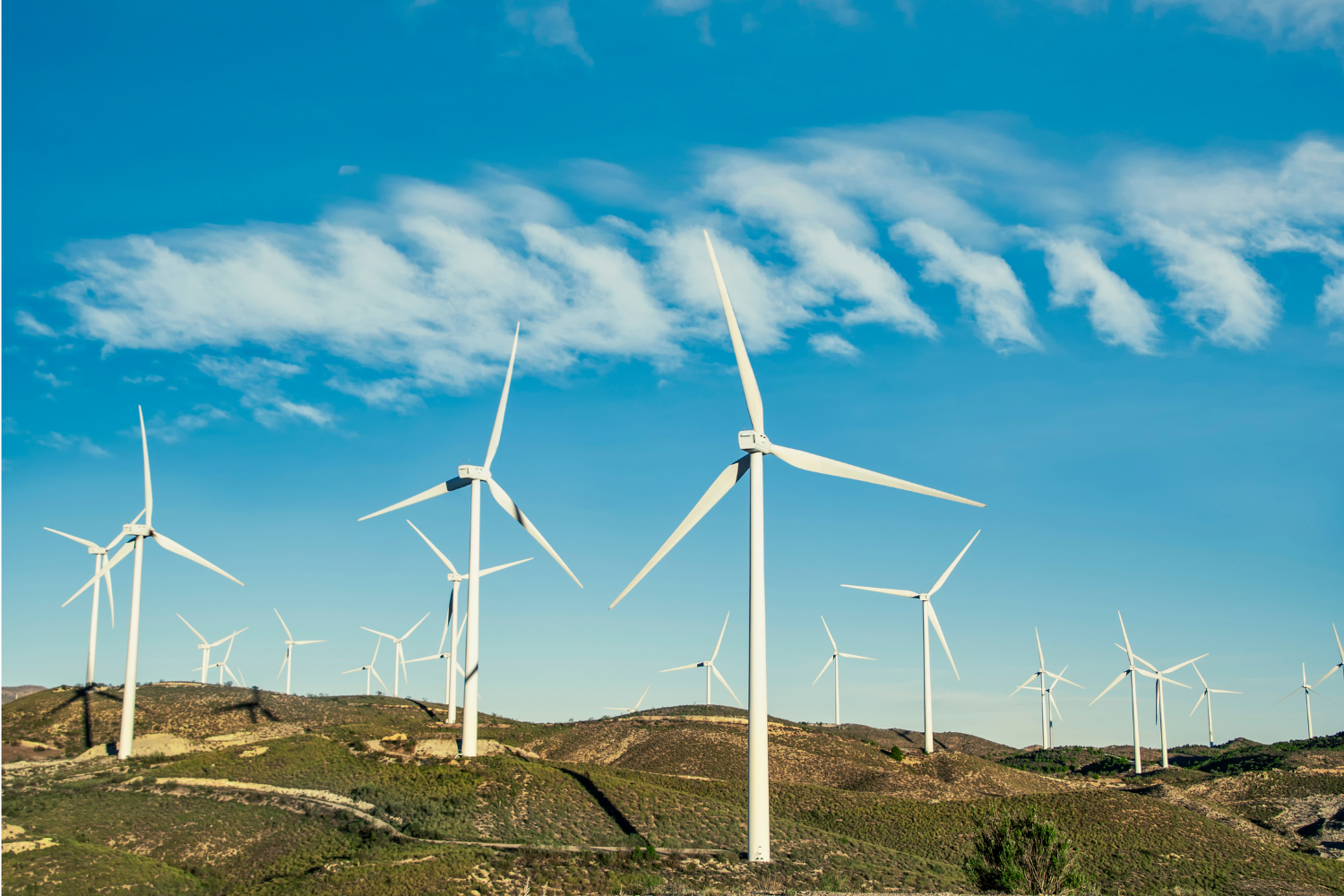
The role of expert organizations such as ORT Énergie
Putting expertise at the service of public debate
Organizations specializing in energy efficiency and transition play a vital role in public debate. They help make complex issues more accessible and provide analysis based on reliable data.
ORT Énergie is part of this approach, placing its expertise at the service of informed and collective reflection.
Supporting and amplifying citizen-led initiatives
By supporting initiatives such as those led by the Common Front for Energy Transition, expert organizations help strengthen the reach of citizen-led efforts. They can act as bridges between the public, decision-makers, and technical stakeholders.
Supporting the transition through concrete solutions
Beyond dialogue, energy transition requires concrete action. Organizations like ORT Énergie support stakeholders in implementing appropriate solutions, particularly through improving building energy efficiency, helping turn ambitions into tangible outcomes.
Toward a true common front for a just and sustainable transition
Conditions for the success of a broader common front
The success of a common front depends on several conditions, including a shared vision, clear objectives, and effective collaboration mechanisms. Transparency and respect for diverse voices are also essential.
Collaboration between citizens, organizations, and experts
Energy transition cannot be achieved without close collaboration among all concerned actors. Citizens, organizations, and experts each have complementary roles to play.
A historic opportunity for Quebec
Quebec is at a pivotal moment in its energy history. The choices made today will determine the province’s trajectory for decades to come. A strong and inclusive common front represents a real opportunity to build a sustainable and equitable energy future.
Conclusion
The Common Front for Energy Transition illustrates the importance of a collective approach to Quebec’s energy challenges. By promoting dialogue, citizen participation, and collaboration among stakeholders, it helps guide decisions toward a more just and sustainable transition. For expert organizations like ORT Énergie, supporting and amplifying these efforts naturally aligns with a commitment to putting expertise at the service of the public interest.
Frequently Asked Questions (FAQ)
What is the Common Front for Energy Transition
It is a coalition bringing together citizen, environmental, and labour organizations working collectively to accelerate energy transition in Quebec from a social justice perspective.
What are the Dialogues on the Energy Future for
The Dialogues aim to create discussion spaces that allow the public and organizations to express their views on energy choices and formulate recommendations for Quebec’s energy future.
How can citizens contribute to energy decisions in Quebec
They can participate in consultation processes, stay informed, engage with organizations, and make their voices heard to influence collective energy orientations.