
Table of Contents
- What Is Energy Modelling and What Is It Used For
- How Energy Modelling Works
- What Types of Projects Use Energy Modelling
- Concrete Benefits for Property Owners and Developers
- Energy Modelling and Regulatory Compliance
- How Much Does Energy Modelling Cost
- How to Choose an Energy Modelling Expert
- Conclusion
- Frequently Asked Questions (FAQ)
In Quebec, optimizing a building’s energy performance has become a strategic priority. Rising energy costs, stricter regulations, and growing environmental expectations are reshaping the construction and real estate sectors. Energy modelling makes it possible to anticipate consumption, compare different scenarios, and make informed decisions from the design phase or during a major renovation.
What Is Energy Modelling and What Is It Used For
Simple and Clear Definition
Energy modelling consists of creating a digital model of a building in order to simulate its energy consumption over a full year. It incorporates the building envelope (walls, roof, windows), orientation, materials, occupancy patterns, as well as mechanical systems such as heating, ventilation, and air conditioning.
Its goal is to anticipate energy performance at the design stage or as part of a renovation project. Rather than relying on general estimates, it allows different scenarios to be compared and the most efficient and cost-effective options to be selected. This data-driven approach provides measurable projections instead of assumptions.
Difference Between Energy Audit and Energy Modelling
An energy audit analyzes the actual performance of an existing building based on utility bills, equipment inspections, and occupancy habits. It provides a snapshot of current conditions and identifies areas of improvement.
Energy modelling, on the other hand, is used to forecast performance. It makes it possible to virtually test various improvements (insulation upgrades, heating system replacement, integration of a heat pump or geothermal system) before investing. An audit observes, while modelling compares and projects outcomes. In many cases, both tools are complementary and can be used within the same optimization strategy.
Why It Is Essential in the Quebec Context
In Quebec, harsh winters create significant heating demands. Seasonal temperature variations, humidity levels, and extended cold periods place buildings under considerable stress and increase energy loads.
Energy modelling makes it possible to adapt design strategies to local climate realities, reduce heat loss, and plan the transition toward higher-performance solutions such as geothermal energy. The Government of Quebec also highlights the importance of properly measuring building energy performance in its official resources.
Quebec Climate and Energy Performance
Poor insulation, air leakage, or improperly sized systems can lead to high operating costs and inconsistent indoor comfort. Through simulation, insulation levels, glazing performance, airtightness, and mechanical systems can be optimized to improve durability and stabilize long-term energy expenses. Over time, these improvements contribute to greater building resilience.
How Energy Modelling Works
Building Data Collection
The first step involves gathering architectural plans, material specifications, mechanical system details, and occupancy profiles. Climate data specific to the project location is also integrated into the analysis.
The more accurate the data, the more reliable the results. For existing buildings, on-site measurements and validation may be required to ensure modelling assumptions reflect real conditions.
Creation of the Digital Model
Using specialized software, a virtual model of the building is created. Recognized tools, presented by Natural Resources Canada in its modelling tools section, help structure these analyses and support professionals in their simulations.
Each component is integrated into the model to simulate annual energy behaviour, taking Quebec’s climate conditions into account. The model calculates heating loads, cooling loads, ventilation requirements, and overall energy demand throughout the year.
Scenario Analysis and Optimization
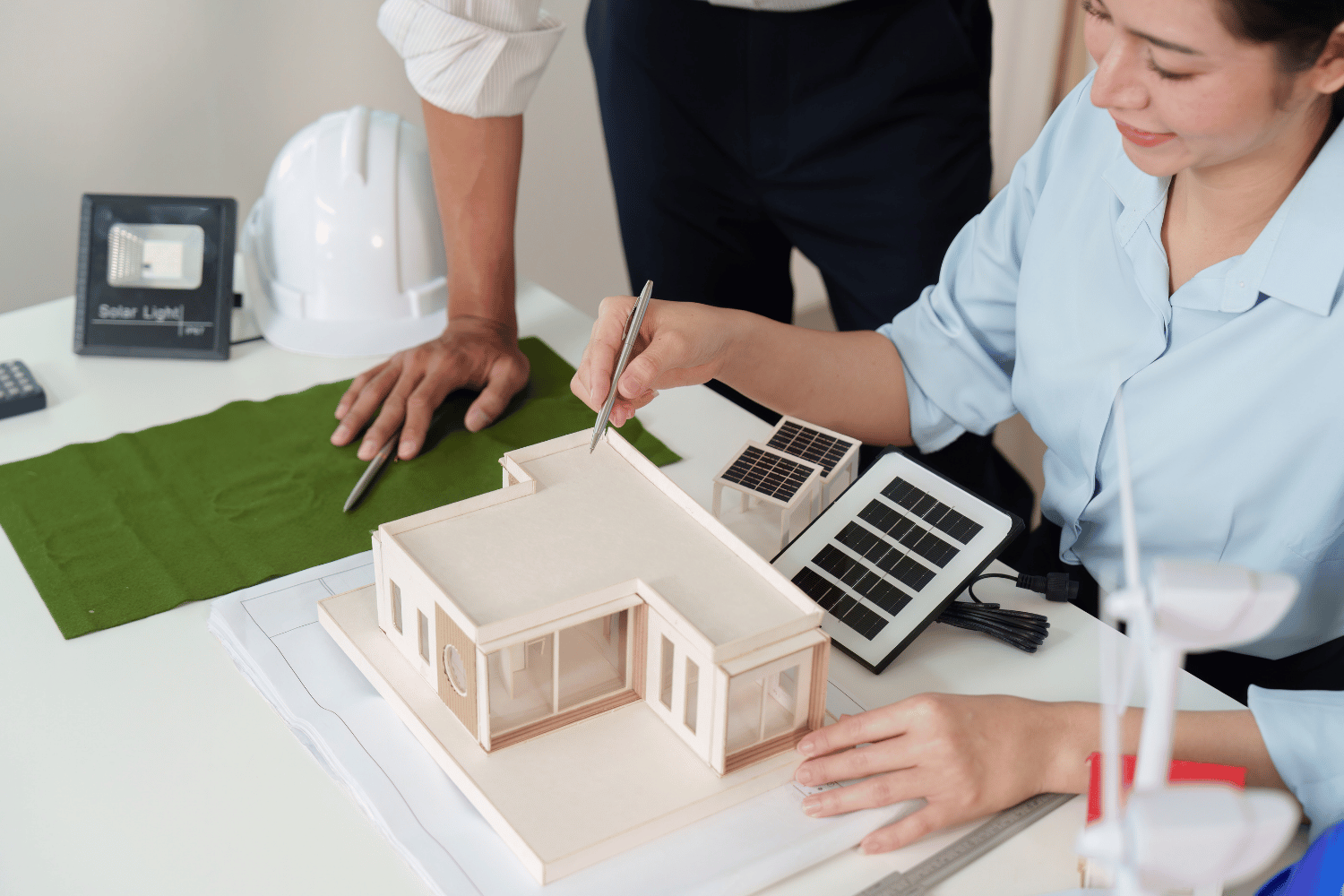
One of the main advantages of energy modelling is the ability to compare scenarios. It is possible to evaluate the impact of improved insulation, high-performance glazing, a heating system change, or the addition of renewable technologies.
The results provide estimates of annual consumption, operating costs, peak demand, and emission reductions. This approach supports informed decision-making, improves budget planning, and reduces financial risk during construction or renovation.
Cost Reduction and Decarbonization Goals
By optimizing technical choices, energy modelling helps reduce long-term energy expenses. It also supports decarbonization objectives by identifying the most energy-efficient and sustainable solutions. For organizations with ESG commitments or carbon reduction targets, modelling provides quantifiable data to track progress.
What Types of Projects Use Energy Modelling
New Construction
In new construction projects, energy modelling is valuable from the earliest design stages. It guides architectural and mechanical decisions before construction begins, helping teams align energy performance with budget objectives.
This proactive approach helps achieve high performance without costly changes during the building process.
Major Renovations
For major renovations, energy modelling helps prioritize interventions. It identifies the most cost-effective measures and estimates anticipated performance gains before work begins.
This analysis is particularly relevant for existing buildings seeking to extend their lifecycle while improving efficiency.
Commercial and Institutional Buildings
Commercial and institutional buildings often have high and complex energy consumption patterns. Energy modelling makes it possible to analyze these facilities in detail and identify operational improvements.
Even modest efficiency gains can represent significant financial savings and emission reductions over several years.
Concrete Benefits for Property Owners and Developers
Informed Decision-Making
Energy modelling transforms assumptions into measurable data. Decision-makers gain clear indicators to compare options, justify investments, and support financing discussions with stakeholders or lenders.
Investment Optimization
By targeting the most effective measures, unnecessary expenses can be avoided. Investments are guided by quantified results rather than approximations, which improves capital allocation efficiency.
Improved Occupant Comfort
A high-performance building offers greater thermal stability, reduced drafts, and improved indoor air quality. Energy modelling helps balance energy efficiency with occupant comfort, supporting long-term satisfaction and productivity.
Energy Modelling and Regulatory Compliance
Building Code Requirements
Certain standards require proof of energy performance for new construction or major renovations. Demonstrating compliance may be necessary to obtain permits or approvals.
Energy modelling documents technical choices and provides the calculations required to demonstrate compliance with applicable building codes and performance pathways.
Certifications and Energy Performance
Several environmental certification programs rely on energy performance criteria. Energy modelling is a key tool for meeting these standards and enhancing the value of a real estate project.
It can also strengthen a building’s market positioning by demonstrating measurable sustainability performance.
How Much Does Energy Modelling Cost
Factors That Influence Pricing
Costs vary depending on building size, complexity, level of detail required, and project objectives. The number of scenarios analyzed and the documentation required for compliance or certification can also influence pricing.
A large commercial project will require more in-depth analysis than a simple residential building.
Return on Investment
Although it represents an upfront investment, energy modelling often generates substantial savings in the medium and long term.
By avoiding design errors, reducing oversizing of equipment, and optimizing system selection, it reduces future expenses and improves overall project profitability.

How to Choose an Energy Modelling Expert
Technical Skills to Verify
An expert must master energy simulation software and understand building performance principles. They must also be able to interpret results clearly and translate technical findings into actionable recommendations.
Experience in the Quebec Context
Knowledge of Quebec’s climate, standards, and construction practices is essential. An experienced professional can adapt modelling assumptions and solutions to local realities, ensuring reliable and relevant results.
Conclusion
Energy modelling is a strategic tool for designing and optimizing buildings in Quebec. It makes it possible to forecast consumption, analyze scenarios, reduce uncertainty, and make informed decisions.
For property owners and developers, it is an essential lever to control operating costs, improve comfort, support sustainability objectives, and ensure long-term building performance.
Frequently Asked Questions (FAQ)
Is energy modelling mandatory in Quebec?
It is not systematically mandatory, but it may be required for certain projects, certifications, or performance pathways under the Building Code. It is strongly recommended for any initiative aiming for high energy performance.
What is the difference between simulation and modelling?
Modelling refers to creating the building’s digital model. Simulation is the analysis of scenarios using that model to project energy use under different conditions.
How long does energy modelling take?
The timeline depends on project complexity and data availability. For a mid-sized building, the process may take several weeks, including data collection, modelling, validation, and analysis of results.