In Quebec, the energy transition is an unavoidable reality that is redefining how businesses consume, produce and manage energy. With clean, abundant electricity and a broad range of government support programs, organizations have concrete opportunities to shrink their carbon footprint while sharpening their competitiveness.
The Quebec context
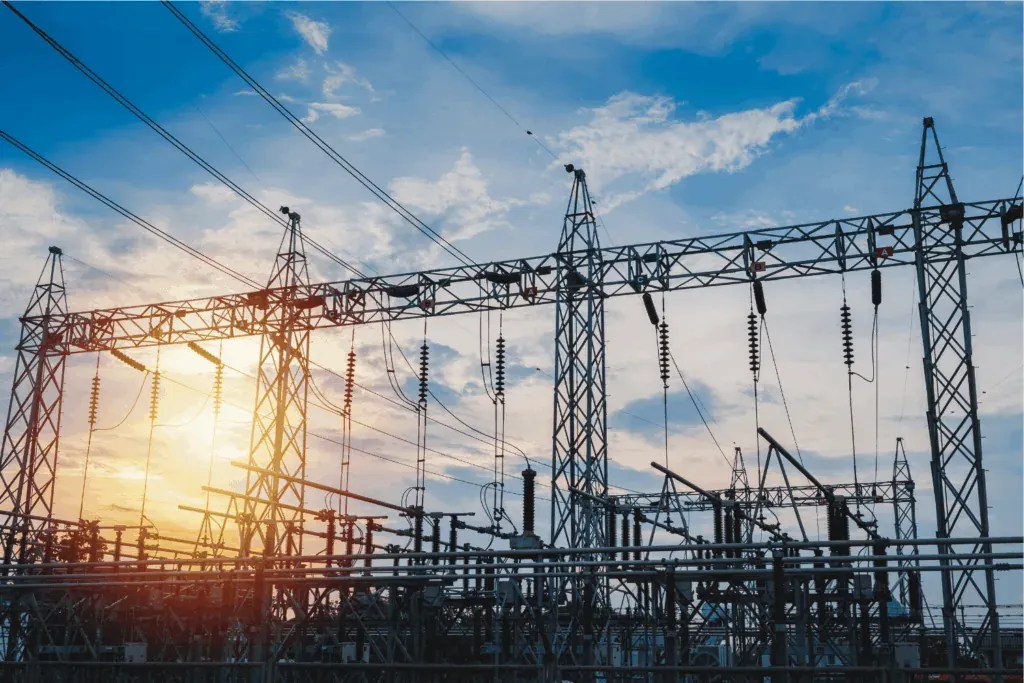
Quebec enjoys an advantage that is unique in North America: more than 99% of its electricity comes from renewable sources, chiefly hydroelectricity. That abundance makes large-scale electrification realistic, whether in transportation, industrial processes or building heating. This favourable position should not mask the challenges that persist, however. Heavy transport, high-temperature processes and some aging infrastructure still rely heavily on fossil fuels.
The energy transition is therefore not just about greening electricity: it is about transforming how energy is used. That means:
- better energy efficiency in buildings, plants and networks
- a progressive conversion of fossil-fuel equipment to electric or renewable solutions
- the development of complementary streams such as sustainable biomass, green hydrogen and waste heat recovery
- the integration of digital tools and artificial intelligence into energy management to optimize consumption in real time
For businesses, the context is economic as well. Fossil fuel prices fluctuate, sustainability expectations keep rising and environmental regulations keep tightening. Investing in the energy transition becomes a question of survival and performance rather than an option.
Public policy and incentives
For several years now, the Quebec government has set ambitious greenhouse gas (GHG) reduction targets. The Québec Green Hydrogen and Bioenergy Strategy, the Plan for a Green Economy and the Transition énergétique Québec (TEQ) programs are all significant levers for meeting them. These policies translate into direct financial incentives that make concrete corporate projects possible.
Flagship programs for businesses
The government has put specific programs in place to support organizations through the energy transition:
- ÉcoPerformance: funds projects that improve energy efficiency, reduce fossil fuel consumption and optimize processes.
- Technoclimat: aimed at organizations developing or testing innovative technologies that help cut GHG emissions. Pilot projects and technology demonstrations can receive funding to de-risk innovation.
- Valorisation des rejets thermiques (waste heat recovery): supports projects that capture and reuse the heat lost in industrial processes.
- INNOV-R PME: gives small and medium-sized businesses access to up to $1M in funding for innovative industrial projects centred on the energy transition.
Combining these programs can substantially reduce a company’s capital costs and improve the profitability of its projects. For details, see the official page on financial assistance programs for the energy transition.

Renewable energy in Quebec
Hydroelectricity is the cornerstone of the Quebec grid, but other renewable sources are developing quickly. Businesses can take advantage of them in several ways.
Hydroelectricity
Accessible and reliable, hydroelectricity lets businesses electrify energy-intensive processes. The competitive cost of Quebec electricity makes the return on conversion projects attractive. Several plants have replaced natural gas boilers with electric solutions, cutting GHG emissions while stabilizing energy costs.
Wind and solar
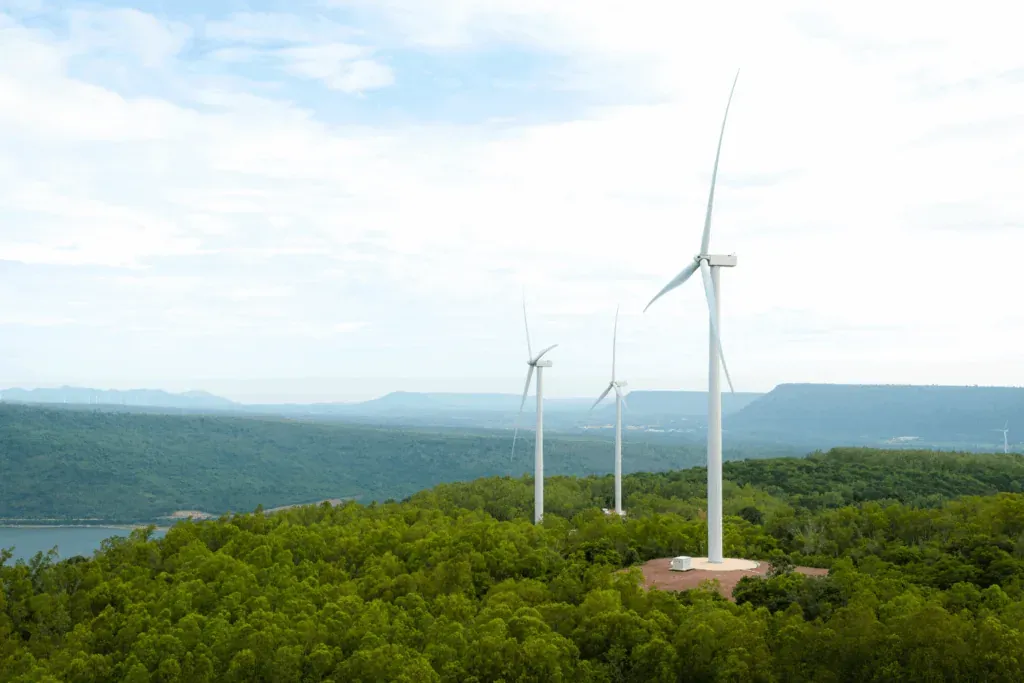
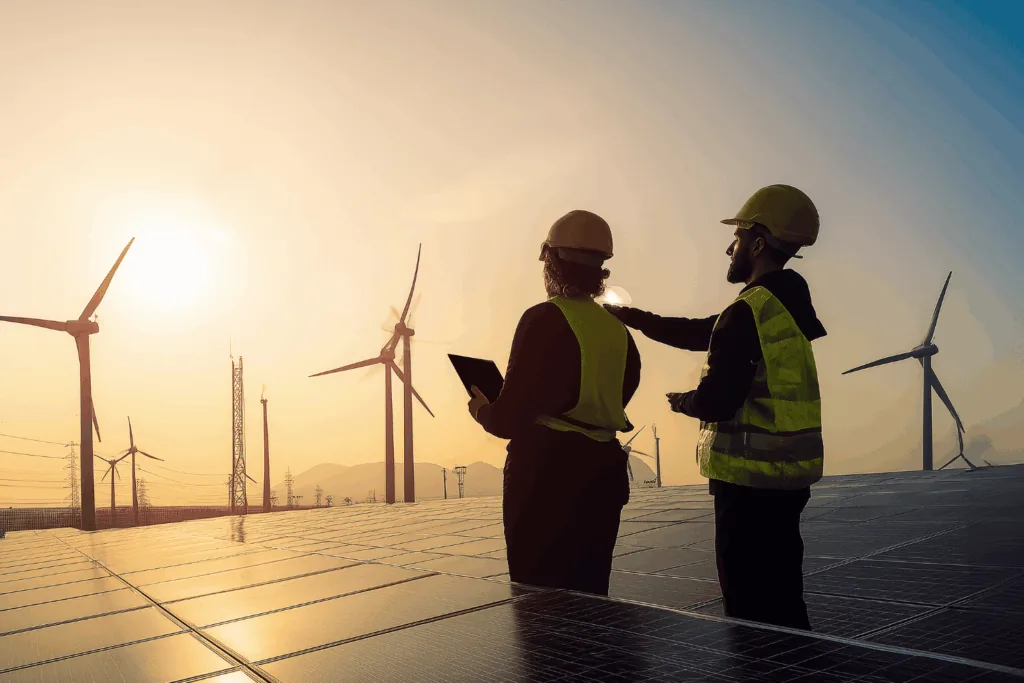
Less widespread than hydroelectricity, wind and solar are nonetheless growing fast. Many businesses are considering solar panels to trim consumption during peak periods, while wind is particularly promising for remote sites and industrial microgrids. Both also strengthen an organization’s energy independence.
Biomass and hydrogen
Forest biomass is a sustainable way to replace fossil fuels in certain industrial processes. Green hydrogen, still emerging, could eventually supply sectors that are hard to electrify, such as heavy transport and some industries. Pilot projects backed by Technoclimat are already underway to demonstrate what these solutions can deliver in the Quebec context.
The challenges of the transition
1. Dependence on fossil fuels
Despite the progress made, several sectors remain tied to diesel, natural gas or heating oil. Freight transport and high-intensity thermal processes are the clearest cases. Fully decarbonizing these segments will require major innovation and sustained financial incentives.
2. Capital costs
Energy conversion projects demand significant upfront investment. Grants and the savings generated over the long term, however, shorten the payback period considerably. Companies that plan for the long term and build in the available incentives can turn this challenge into an opportunity.
3. Workforce and expertise
The energy transition calls for specialized skills in engineering, project management and maintenance. Businesses need to invest in training and lean on experts to see their projects through. This growing demand for talent also opens career paths and drives the creation of green jobs.
4. Social acceptance
Some projects, such as biomass plants or storage infrastructure, can raise concerns. Transparent communication and local consultation are essential to their success. By highlighting local economic benefits and reduced environmental impact, companies improve their odds of winning support.
Opportunities for businesses
Beyond the constraints, the energy transition creates a long list of opportunities:
- Lower costs: energy efficiency and heat recovery bring energy bills down for good.
- Access to new markets: clients and partners increasingly favour environmentally responsible companies. Certifications and ESG transparency are becoming competitive factors.
- Innovation and competitiveness: programs such as Technoclimat encourage companies to develop and test new technologies, which builds their leadership in emerging markets.
- Job creation: energy modernization is driving demand for engineers, technicians and skilled workers in Quebec, which strengthens the local economy.
To see concrete, inspiring projects delivered with ORT, visit our projects. You can also explore Hydro-Québec initiatives on financial support for efficient equipment, which pair well with the government programs available. These case studies show how organizations across many sectors have turned the energy transition into a lever for growth and performance.
The role of businesses
Organizations sit at the heart of the transition, and a structured approach follows several key steps:
- Run an energy audit to pinpoint where energy is wasted and where it can be improved.
- Draw up a roadmap aligned with your GHG reduction targets and your business strategy.
- Apply to the relevant financial assistance programs to maximize the grants available.
- Implement the measures progressively, starting with those that offer the best return on investment and relying on proven technologies.
- Track and measure results against clear indicators so the strategy can be adjusted continuously.
This method lets businesses cut costs, strengthen their brand and contribute actively to Quebec’s collective targets. By applying best practices and surrounding themselves with experts, any organization can turn the energy transition into a lasting competitive advantage.
Conclusion
Quebec’s energy transition is not only an environmental necessity: it is a remarkable economic and social opportunity. With hydroelectricity, renewable energy and support programs such as ÉcoPerformance, Technoclimat and INNOV-R PME, businesses have concrete levers to make their transition succeed. Those that act quickly will gain a lasting competitive advantage and attract talent, investors and partners. To explore solutions suited to your needs, discover our services.
FAQ
What steps lead to a grant?
The process generally includes an energy audit, the development of an action plan, the submission of a funding application, project execution and verification of the results. Working with experts secures the process and speeds up review.
Can several forms of support be combined?
Yes. Certain programs can be combined, provided each expense is funded only once. A study, for example, may be covered by ÉcoPerformance while the implementation of an innovative technology is supported through Technoclimat.
What are the long-term benefits for businesses?
Beyond energy savings and GHG reductions, businesses become more resilient to energy market swings, more attractive to talent and clients, and better prepared for future climate regulations. They also contribute directly to Quebec’s collective carbon neutrality objectives.
 Further reading