
Decarbonization has become a central issue for Quebec businesses. On one hand, climate requirements are increasing. On the other, energy costs remain uncertain. In this context, reducing greenhouse gas emissions is no longer optional. It is now an essential condition for organizational performance and long-term viability.
Today, decarbonization goes far beyond regulatory compliance. It is part of an operational optimization approach. It also helps better manage risks. Finally, it strengthens corporate credibility with clients, partners, and investors.
Understanding decarbonization and its challenges
Definition and core principles
Decarbonization encompasses all actions aimed at reducing carbon emissions and other greenhouse gases. It applies to buildings, industrial processes, transportation, and energy management.
Unlike one-off initiatives, decarbonization relies on a structured approach. It begins with analyzing emission sources, followed by sustainable reduction at the source. This approach is rooted in a long-term vision.
Decarbonization and carbon neutrality
These two concepts are often confused, yet they pursue different objectives. Carbon neutrality seeks to balance emissions through offset mechanisms.
Decarbonization, by contrast, acts directly on root causes. It aims to reduce actual emissions. In a credible strategy, it therefore comes first, with offsets used only as a last resort.
Why decarbonization is becoming unavoidable
Climate change is placing growing pressure on organizations. Extreme weather events are increasing, and regulatory requirements are evolving rapidly.
From an economic standpoint, dependence on fossil fuels represents a significant risk. Prices are volatile. By reducing this dependence, organizations gain stability and improve their long-term resilience.

Decarbonization in Quebec: framework and realities
Climate targets and energy transition
Quebec has committed to an ambitious energy transition. Clear emissions reduction targets aim to progressively transform economic and industrial practices.
For businesses, this means greater attention to environmental performance. Emissions are becoming a monitored indicator and increasingly influence strategic decisions.
Regulatory framework and public policies
Quebec’s regulatory framework is evolving rapidly. Energy performance standards are tightening, and climate disclosure requirements are gaining importance.
These requirements are part of Quebec public policies on decarbonization and a broader energy transition in Quebec aimed at reducing emissions while supporting innovation and economic competitiveness.
Market pressures and stakeholder expectations
Customer expectations are evolving rapidly, and ESG criteria are becoming increasingly important. As a result, investors now assess climate risks in their decision-making.
A clear decarbonization strategy therefore facilitates access to financing and strengthens corporate credibility with partners and clients.
Identifying the main sources of emissions
Buildings and energy consumption
Commercial and industrial buildings are a major source of emissions. Heating plays a central role, particularly systems powered by natural gas or fuel oil.
Poor building envelopes also lead to significant energy losses, while inefficient energy management increases impacts. These elements nonetheless offer strong improvement potential.
Industrial processes and equipment
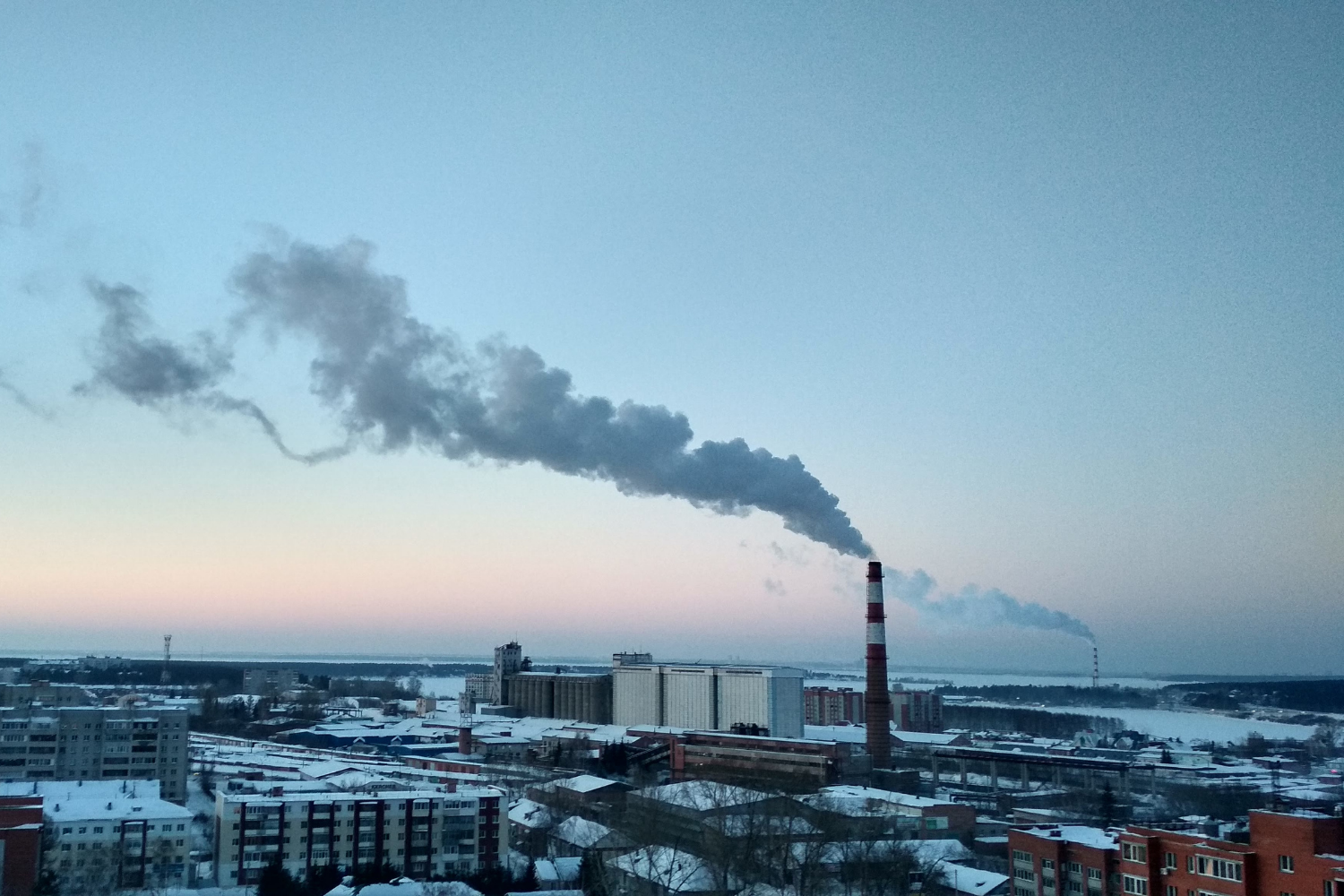
In many sectors, industrial processes generate substantial emissions, often linked to the heat required for production.
However, significant gains are possible. Process optimization reduces consumption, while equipment modernization improves overall efficiency.
Transportation and logistics
Transportation is a major contributor to greenhouse gas emissions. Vehicle fleets play a key role, as does logistics.
Fortunately, solutions exist. Electrification is progressing rapidly, and route optimization also helps reduce impacts.
Decarbonization strategies adapted to organizations
Reducing emissions at the source
Reducing emissions at the source is always the first step in an effective decarbonization approach. It focuses on eliminating energy waste before considering major technological changes.
In practice, this involves optimizing operating schedules, improving equipment settings, and correcting energy losses. It often relies on improved energy efficiency without requiring heavy investments.
In addition, source reduction decreases the scale and complexity of future projects. By lowering energy needs first, replacement solutions become simpler, creating a solid foundation for the entire decarbonization process.
Fuel switching and electrification
Replacing fossil fuels with low-carbon energy sources is a major lever for emission reductions. In Quebec, access to predominantly renewable electricity represents a significant strategic advantage.
Electrification can affect several operational areas, including building heating, certain industrial processes, and vehicle fleets. In many cases, it allows for rapid emission reductions while stabilizing energy costs.
However, this transition must be well planned. Technical analysis is required to ensure equipment suitability, and electrical capacity assessments are essential to avoid long-term operational constraints.
Energy efficiency and optimization
Energy efficiency remains a central lever in any decarbonization strategy. It aims to reduce energy consumption without compromising performance or comfort.
A well-executed energy audit helps identify the most energy-intensive areas and prioritize actions based on impact and cost, clearly distinguishing quick wins from more structural projects.
Technologies and technological levers
Renewable energy and hybrid solutions
Several technologies can effectively support decarbonization efforts. Solar, biomass, and geothermal energy are among the most common options, though their relevance depends on sector, site, and energy needs.
In some contexts, hybrid solutions offer a balanced approach by combining multiple energy sources to ensure operational reliability and a gradual transition.
Heat recovery and process improvement
Waste heat from industrial processes is often underutilized, yet it represents a significant energy resource. Recovering this heat reduces overall energy consumption.
This heat can be reused for building heating or other process stages, improving overall system efficiency and reducing emissions associated with additional heat production.
Digital tools and energy management
Digital tools play a growing role in decarbonization. They enable real-time monitoring of energy consumption and early detection of inefficiencies.
These tools support better-informed decision-making, easier operational adjustments, and long-term continuous improvement in energy performance.

Challenges, costs, and financing of decarbonization
Investments and return on investment
Decarbonization projects often require upfront investments, which can be a barrier for some organizations. However, this perception should be nuanced.
In the medium term, energy savings reduce operating costs. Over the long term, lower regulatory and energy risks improve financial resilience, making return on investment increasingly favourable.
Financial assistance and government support
Several mechanisms exist to support businesses in their transition. Government support for energy transition can significantly reduce the financial burden of projects.
These programs may cover energy efficiency, electrification, or the integration of clean technologies. Understanding them well maximizes impact and improves overall project profitability.
Performance tracking and continuous improvement
Performance measurement is essential to the success of a decarbonization approach. It enables tracking emission reductions and evaluating achieved savings.
This monitoring supports strategy adjustments and ensures the durability of results, making decarbonization an evolving and controlled process.
Why seek support
Expertise and a holistic vision
Specialized support provides a comprehensive perspective, helping organizations understand interactions between decarbonization levers and structure their approach coherently.
This expertise reduces technical and financial risks and prevents suboptimal decisions by grounding choices in solid analysis.
Accelerating projects
Being supported helps move faster. Projects are better defined from the outset, with clearly planned stages.
This reduces timelines and facilitates coordination among stakeholders, allowing projects to progress more smoothly.
Long-term value creation
A well-structured approach maximizes long-term benefits and turns decarbonization into a true performance lever.
Beyond emission reductions, organizations improve efficiency, resilience, and strategic positioning.
Conclusion
Decarbonization has become an essential strategic lever for Quebec organizations. Far beyond regulatory requirements, it reduces energy-related risks, improves operational performance, and strengthens long-term resilience.
By clearly identifying emission sources, prioritizing source reduction, and relying on adapted strategies, organizations can build a realistic and progressive approach. Available technologies, combined with financial support mechanisms and rigorous planning, make this transition both accessible and profitable.
Finally, a supported and measured approach transforms decarbonization into a powerful driver of value creation, allowing organizations to combine economic performance, environmental responsibility, and sustainable competitiveness in Quebec’s evolving energy landscape.