
Whether you manage a home or a commercial building, energy consumption is always a concern. Heating, cooling, lighting — every line item deserves a closer look. That is precisely where an energy assessment comes in. This tool provides a complete picture of your consumption and helps you act methodically to use less energy and spend less money.
What is an energy assessment?
Definition and objectives
An energy assessment is a structured analysis of a building’s energy consumption over a defined period. It inventories all energy sources used — electricity, natural gas, heating oil, geothermal energy. It then measures their use against the building’s actual needs.
The goal is straightforward: to get a clear, data-driven picture of energy performance. With this picture in hand, it becomes possible to identify weak points, prioritize investments, and measure the gains achieved.
In short, an energy assessment is far more than a review of utility bills. It is an analytical tool that cross-references consumption data with the building’s characteristics, equipment, and occupancy conditions. The result is an accurate portrait of the building’s actual energy state.
Energy assessment vs. energy audit
The terms “energy assessment” and “energy audit” are often confused. Yet they do not refer to the same process. An assessment is generally more concise. It draws on existing data to provide a broad overview of consumption. Moreover, it is typically carried out before a full optimization initiative begins.
An audit, on the other hand, goes further. It includes a physical inspection of the building and a detailed evaluation of each system — envelope, mechanical, lighting. It also provides costed recommendations with return-on-investment calculations. Our article on building energy audits covers this complementary approach in detail.
In practice, the assessment usually comes first. You start by measuring in order to identify where to focus the deeper analysis.
Why conduct an energy assessment?
Identifying sources of waste
Most buildings consume more energy than they should. Thermal leaks, aging equipment, or poorly calibrated systems can cause significant losses. Yet these issues often go unnoticed in day-to-day operations. An energy assessment makes them visible and measurable.
By mapping consumption item by item, the assessment pinpoints anomalies. For instance: a heating system running outside occupied hours, lighting overconsuming in rarely used areas, or a building envelope with insufficient insulation. These findings form the foundation of any serious improvement plan.

Reducing operating costs
The savings potential of better energy management is often underestimated. In many cases, simple measures — reprogramming thermostats, replacing energy-intensive equipment — are enough to cut the energy bill by 10% to 30%. And this can be achieved without major renovations.
Furthermore, the recommendations from an assessment point toward structural investments. Improving insulation, upgrading mechanical systems, or integrating geothermal energy are concrete options to consider. Our article on improving building energy efficiency explores these solutions in detail.
Meeting regulatory requirements
In Quebec and across Canada, energy performance requirements are tightening. New construction must meet increasingly strict standards. Likewise, existing buildings are being called on to demonstrate their performance in order to access grants or environmental certifications.
As a result, conducting an energy assessment helps position your building relative to these requirements. It also helps anticipate upcoming regulatory changes and document efforts made. This is a concrete asset when applying for subsidies through Hydro-Québec or the provincial government.
How does an energy assessment work?
Data collection
The first step of an energy assessment is collecting consumption data. This includes utility bills from the past 12 to 36 months, meter readings, and equipment specification sheets. Information on how the building is used is also gathered: floor area, hours of occupancy, number of occupants.
In addition, a visual inspection of the building is carried out. This helps identify outdated equipment, obvious insulation deficiencies, or anomalies in the heating and ventilation systems. The more complete the data, the more reliable the assessment will be.
Consumption analysis
Once the data is gathered, the analysis begins. It involves comparing actual consumption against reference values: sector averages, current standards, or targets set by the owner. The building’s energy intensity is calculated, expressed in kilowatt-hours per square metre per year.
This analysis also breaks down consumption by use: heating, cooling, domestic hot water, lighting. As a result, the most energy-intensive areas are clearly identified. It is at this stage that the most significant improvement opportunities come to light.
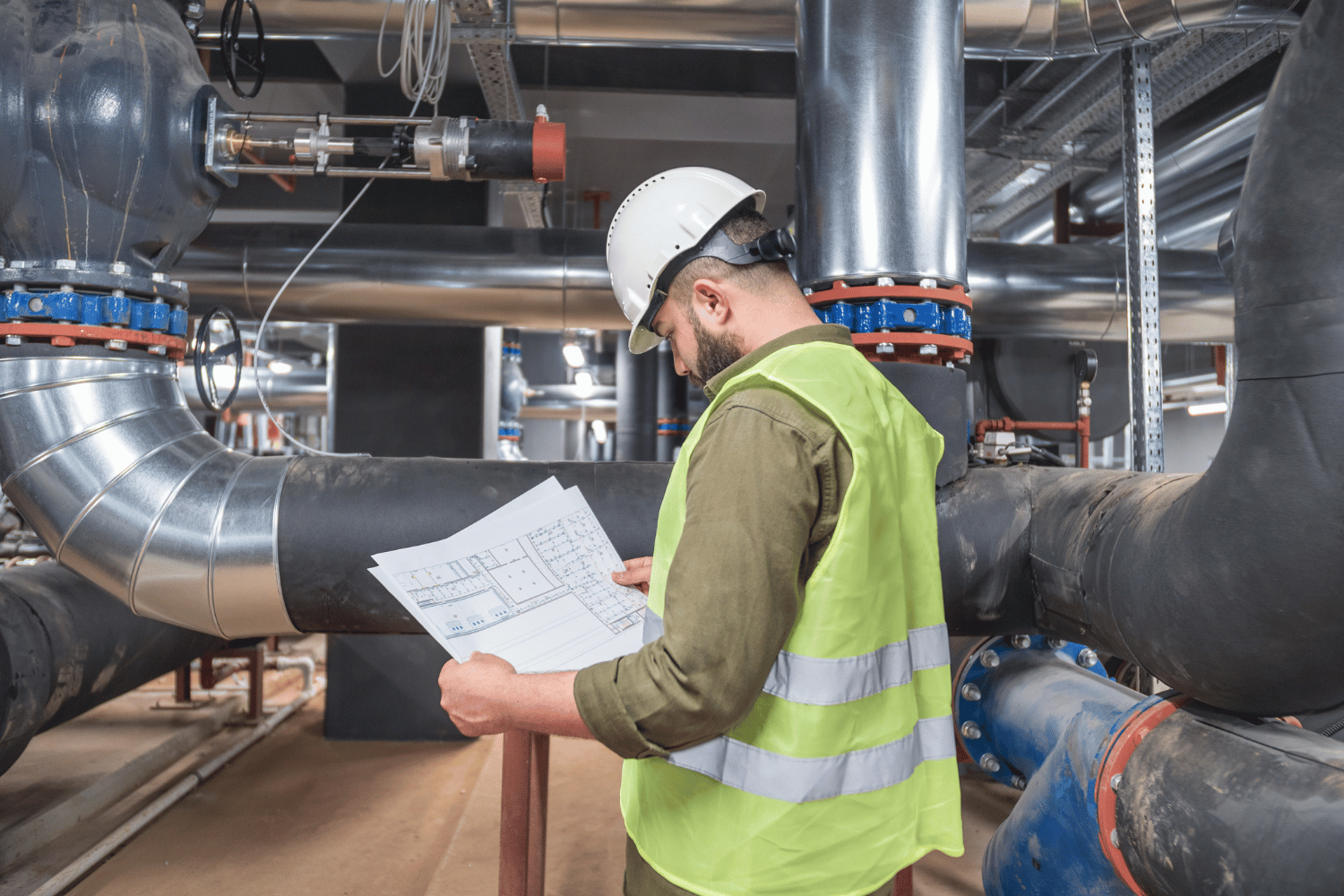
The report and recommendations
The assessment concludes with a structured report. This document presents the findings, critical issues, and a prioritized list of recommendations. Each recommendation includes an estimate of expected savings and implementation costs.
This report then becomes a valuable planning tool. It guides investment decisions, supports negotiations with contractors, and strengthens grant applications. Moreover, energy modelling can complement this process by simulating the impact of planned improvements before they are carried out.
Who is it relevant for?
Residential property owners
For a homeowner, an energy assessment helps understand where energy spending is coming from. It also indicates which improvements to prioritize. This is particularly useful before a major renovation or when purchasing a property.
Even on a small scale, the results can be surprising. It is not uncommon for an assessment to reveal that the building envelope is responsible for 40% to 60% of heat loss. In that case, the work is redirected toward insulation rather than equipment replacement. Furthermore, the Rénoclimat program can fund a portion of the resulting work.
Commercial building managers
For commercial buildings — offices, retail spaces, hotels — controlling energy costs is a direct financial priority. Energy can account for 20% to 40% of a building’s operating expenses. An assessment provides a structured way to act on this.
In addition, building managers can use the assessment results to communicate their environmental commitment to tenants, investors, and regulators. Energy performance is becoming an increasingly important value driver in the commercial real estate market.
Institutions and public organizations
Schools, hospitals, and municipal buildings face growing obligations to reduce their carbon footprint. An energy assessment is the foundational tool for setting realistic targets and reporting progress to stakeholders.
For these organizations, the assessment fits into a broader sustainability initiative. It thus becomes the first building block of a coherent, documented energy strategy.
Energy assessment and the energy transition in Quebec
A tool at the heart of decarbonization strategies
The energy transition is not only about producing renewable energy. It also involves reducing demand. Indeed, a building that consumes less directly contributes to the decarbonization of the sector. This sector represents a significant share of Quebec’s greenhouse gas emissions.
As such, an energy assessment is a strategic tool in this transition. It makes it possible to quantify potential gains and prioritize the most effective actions. Our article on decarbonization strategies provides context on the different approaches available.
Available financial assistance programs
Several programs encourage the completion of energy assessments. Hydro-Québec offers technical support and financial incentives. Other provincial and municipal organizations also provide assistance for property owners committed to this approach.
Notably, the Energy Analysis component of the Solutions efficaces program from Hydro-Québec offers up to $60,000 in financial support. This assistance covers the cost of a complete analysis for commercial, institutional, and industrial buildings. These programs evolve regularly — it is therefore advisable to consult official sources before beginning the process.

Conclusion
An energy assessment is far more than an accounting exercise. It is a concrete management tool. It gives property owners and building managers the information they need to make decisions, reduce costs, and contribute to the energy transition. As regulatory requirements tighten, it is becoming an essential step.
Whether you are just beginning to reflect on the issue or already engaged in an improvement process, working with a qualified professional is the first step. That is how lasting, well-managed energy consumption begins.
Frequently asked questions (FAQ)
How much does an energy assessment cost?
The cost of an energy assessment varies depending on the size and complexity of the building. For a single-family home, a basic assessment can be completed for a few hundred dollars. For a commercial or institutional building, professional fees can range from a few thousand to several tens of thousands of dollars, depending on the scope of the analysis. Grant programs may cover part of these costs — it is worth checking with Hydro-Québec before hiring a professional.
What is the difference between an energy assessment and an energy audit?
An energy assessment provides a broad overview of a building’s consumption based on available data. An energy audit goes further by including a detailed physical inspection and costed recommendations with return-on-investment calculations. In practice, the assessment typically comes before the audit: you start by measuring in order to determine where to focus the in-depth analysis.
How long does an energy assessment take?
The duration depends on the size of the building and the availability of data. For a single-family home, the process can be completed in a few days. For a large commercial or institutional building, it may take several weeks — notably due to the time needed to collect, verify, and analyze all consumption data.
Is an energy assessment mandatory in Quebec?
In most cases, an energy assessment is not mandatory in Quebec for existing buildings. However, it is strongly encouraged. Certain processes — such as obtaining grants or environmental certifications — may make it necessary. For new construction, the National Building Code’s energy performance requirements are similar in nature to a predictive assessment. Regulations in this area are evolving quickly, and it is advisable to stay informed of upcoming changes.