
Energy performance is the ability to make the best possible use of the energy consumed and convert it into useful output. Whether you manage a residential property, a condominium, a business, or an institutional building, small, well-targeted adjustments can generate significant savings. This guide offers a clear, practical overview written for a Canadian audience explaining how to understand energy performance, take action effectively, and achieve lasting results.
Understanding Energy Performance
Energy performance refers to the proportion of useful energy obtained compared to the total energy consumed. When a device, system, or building demonstrates high performance, it means that little energy is wasted as excess heat, air leaks, or inefficient operating cycles. For instance, a modern condensing boiler that converts most of its fuel into usable heat performs far better than an older atmospheric model.
This concept is closely related to energy efficiency, but focuses more specifically on how effectively a system converts energy. Energy efficiency looks broadly at doing the same job with less energy, while energy performance emphasizes the quality of that conversion. The two go hand-in-hand—improving one almost always benefits the other, especially when you consider the full “envelope + systems + usage” approach at the building level.
Understanding energy performance helps prioritize interventions. It allows you to identify where most losses occur and invest where every dollar has the greatest impact. This process naturally fits within a structured energy transition strategy one that aligns your improvements with clear goals for performance, comfort, and cost reduction.
The Benefits of Better Energy Performance
- Direct operating cost reduction: less wasted energy means lower utility bills month after month.
- Greater comfort and stable conditions: more consistent temperatures, better lighting control, and improved indoor air quality.
- Higher property value: an energy-efficient building attracts and retains occupants more easily while increasing resale value.
- Reduced equipment downtime and improved reliability: systems operating at optimal performance experience less wear and tear.
- Lower carbon footprint: every kilowatt-hour saved reduces emissions, helping meet environmental targets.
- Better return on investment: targeted upgrades generate measurable, visible gains.
Key Factors That Influence Energy Performance
A building’s energy performance depends on several interacting elements. The building envelope is the first line of defence against energy loss: insulation, air sealing, windows, and doors determine how much energy is required to maintain comfortable indoor conditions. A poorly insulated roof, degraded seals, or outdated windows can place unnecessary strain on heating and cooling systems.
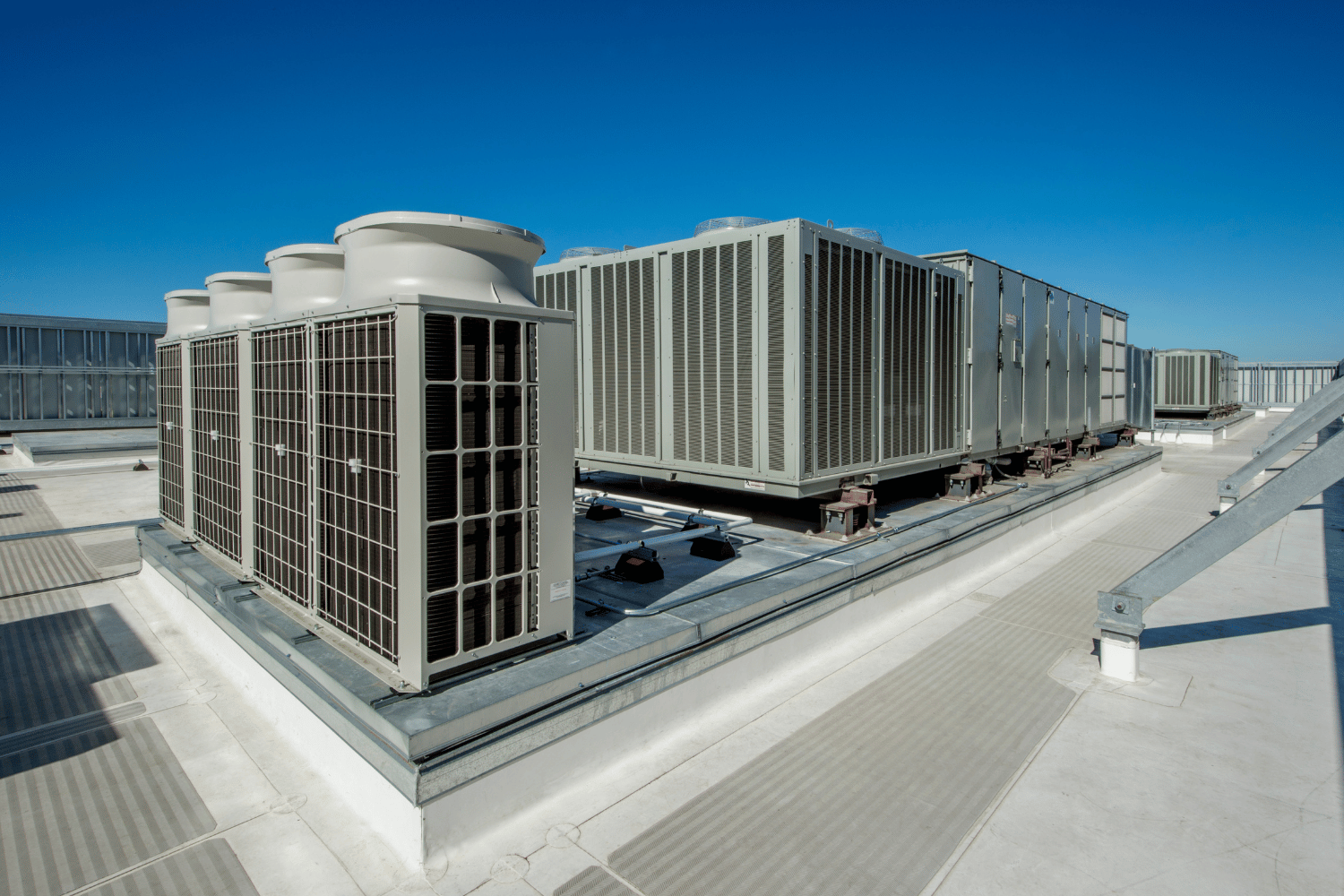
Mechanical and electrical systems also play a major role. Aging or poorly maintained equipment often loses efficiency over time. Modern heat pumps, high-efficiency boilers, energy-recovery ventilation, and variable-speed motors can dramatically improve overall performance when properly selected and tuned to the building’s needs.
Daily management and occupant behaviour also influence energy use. Improper scheduling, extreme set points, or lights left on in unoccupied spaces are common sources of waste. Regular maintenance and monitoring ensure long-term performance: clean filters, calibrated sensors, balanced airflow, and seasonal inspections keep systems operating as intended.
Practical Strategies to Improve Energy Performance
Improving a building’s envelope is often the most durable way to reduce energy demand. Reinforcing roof and wall insulation, tightening air barriers, and upgrading to high-performance windows can significantly decrease heating and cooling requirements. In renovation projects, focusing on critical areas—attics, roof-wall junctions, window frames, and access doors—can quickly stabilize indoor comfort and reduce temperature fluctuations.
Modernizing building systems is the next logical step. Installing a high-efficiency heat pump, condensing boiler, or variable-speed ventilation fan can substantially boost performance. Electrical upgrades, such as LED lighting paired with occupancy sensors and daylight dimming, greatly reduce energy use while improving visual comfort. In some cases, high-efficiency solutions like geothermal energy can further decrease demand when properly integrated into building systems.
Smart energy management is about measuring to improve. Connected thermostats, centralized building management systems (BMS), and real-time monitoring platforms provide valuable insight into consumption patterns, detect deviations, and enable quick corrections. This proactive approach maintains optimal performance without requiring constant supervision.
How to Measure and Track Performance Gains
Measurement is the foundation of credibility. Before making any upgrades, establish a clear baseline: 12 months of energy data, occupancy patterns, temperature set points, and envelope condition. This reference lets you compare results “apples to apples” after improvements. Reliable indicators—such as energy use per square metre, the coefficient of performance (COP), or seasonal efficiency—help guide decisions and track progress.
To better understand measurement and calculation standards, refer to the National Energy Code of Canada for Buildings 2020, published by the National Research Council of Canada. This document outlines the minimum requirements and standardized methods for designing, evaluating, and maintaining high-performance buildings across the country.
Financial Incentives and Support Programs
Financial incentive programs continue to evolve, but their purpose remains constant: encouraging the adoption of high-performance solutions. Depending on your province and building type, grants and rebates may cover part of the costs associated with energy audits, system upgrades, control optimization, or envelope improvements.
To explore benchmarking and performance standards implementation in more detail, see the Toolkit for Implementing Benchmarking and Building Performance Standards in Canada, developed by Natural Resources Canada. This resource provides practical methods for tracking energy performance and structuring efficiency improvement programs across building portfolios.
ORT Energie: Your Partner in Energy Performance Optimization
Improving energy performance is not just about equipment it’s a comprehensive process that combines diagnostics, prioritization, design, implementation, and follow-up. ORT Énergie supports each stage with a results-driven approach. The team begins with a thorough analysis of your current situation: energy bills, systems in place, operational constraints, and comfort objectives. This insight leads to a realistic roadmap with projected savings and return-on-investment scenarios.
During implementation, ORT Énergie emphasizes quality workmanship and system optimization. Equipment is commissioned and balanced to reach its rated performance, then monitored to ensure consistent operation over time. In parallel, ORT Énergie assists with funding applications, making it easier to invest confidently and complete priority projects faster.
Conclusion
Maximizing energy performance starts with the right priorities building envelope, mechanical systems, controls, and maintenance. By addressing these elements in the proper order and measuring results objectively, you can achieve long-term gains reflected in lower costs, enhanced comfort, and increased property value. With expert support from ORT Énergie, you can turn your efficiency goals into tangible, measurable results.
Frequently Asked Questions (FAQ)
What’s the difference between energy performance and energy efficiency?
Energy performance describes how effectively a system converts energy into useful output, while energy efficiency measures how much energy is required to deliver a given service (heating, lighting, ventilation). In practice, both work together to improve overall building efficiency.
How do I know where to start improving performance?
The most reliable approach is to carry out an energy audit. This provides a detailed picture of consumption, identifies inefficiencies, and helps prioritize actions based on cost, impact, and feasibility. Starting with envelope and control improvements usually delivers the best value.
Can an older building achieve good energy performance?
Yes. Even older buildings can become efficient through targeted improvements tightening air barriers, upgrading insulation, modernizing equipment, and improving energy management. The results can be substantial, especially when existing losses are high.